Hey everyone, let’s cut to the chase right up front—if you’ve only ever had regular garlic (you know, the sharp, zingy stuff that makes your eyes water and linger on your breath for hours), black garlic is gonna feel like a total plot twist. As someone who’s been in the black garlic supply game for years, I get so many confused DMs from people asking, “Wait, it’s not just regular garlic left to rot? Does it even taste like garlic at all?” Let’s break this down like we do when we’re training new warehouse team members—no fancy jargon, just the real, messy, delicious truth. Black Garlic
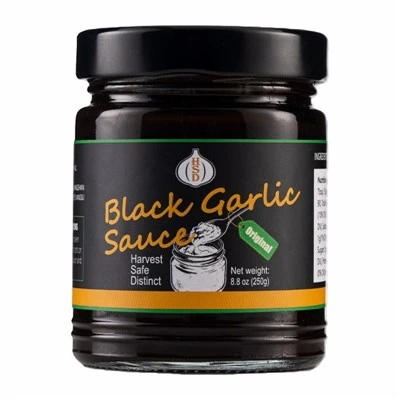
First off, let’s get the basics straight: regular garlic is the bulb you grab for pasta sauces, stir-fries, and Caesar dressings. That stuff’s allicin, baby—the compound that hits you the second you crush a clove, that sharp, sulfurous kick that’s equal parts pungent and addictive. Black garlic? It’s fermented (slowly, low and steady, for 30 to 90 days) at a specific temperature and humidity—think 60 to 70°C and 80 to 90% humidity, no extra ingredients, just garlic and time. That process is the whole reason the taste is night and day.
Let me paint a picture for you. I used to have a friend who’d only eat garlic roasted until it was golden and soft. He tried our black garlic at a food pop-up last year, and he stared at the spoonful for a full 10 seconds before saying, “This is… not garlic?” It’s sweet, first—like balsamic glaze or fig jam, that subtle caramel vibe. Then there’s a hint of umami, that savory depth you get from slow-cooked meats, and a tiny, earthy edge that sticks around, but none of that raw, burn-your-tongue sharpness. No garlic breath, either—game changer for anyone who’s ever skipped a coffee date after making a garlic bread run.
Wait, but let’s make sure I’m not overselling it. If you take a bite of black garlic and think, “That’s not garlic,” that’s half the point, but there’s a familiar undercurrent there. It’s not like eating a random fruit—it has that same garlic DNA, just totally transformed. The fermentation breaks down allicin, the sharp stuff, and turns the garlic’s own natural sugars into that sweetness, plus it softens up so much it feels like eating a moist, chewy date instead of a firm, crumbly clove. We’ve had home cooks test it in place of regular garlic, and a lot of them say they add half the amount of black garlic they would raw because the flavor’s so much more concentrated in a mellow, way nicer way.
Now, let’s talk about why that taste shift isn’t just a magic trick. Science time, but keep it casual. When you ferment garlic like that, two big things happen: enzyme reactions and Maillard browning. Maillard browning is the same thing that turns bread crust golden or gives steak its seared crust—you get that rich, nutty, slightly caramel flavor. The enzymes in the garlic break down the allicin into other compounds, like S-allyl cysteine, which is that umami, sweet stuff we mentioned earlier. All that happens without any heat that’s high enough to burn the garlic, so it stays moist and tender instead of crispy or charred. I’ve seen people compare it to fermenting cabbage into sauerkraut, or turning grapes into wine—same idea, just for garlic, and way less fermented-sauerkraut smell (thank god).
I remember a time a customer hit us up saying, “I bought black garlic from another supplier, and it tasted like burnt garlic with a weird metallic aftertaste.” Oof, that’s the bad batch horror story we all hate. Why does that happen? Usually because they cut corners on the fermentation process—too hot, too humid, or not enough time. Good black garlic, from a reputable supplier, takes those 30+ days to get right. We test every batch we send out: taste it, check the texture, make sure there’s no off flavor. A lot of amateur fermenters skip the proper conditions, so they end up with something that’s not true black garlic—it’s just garlic that’s been burned or partially rotted. That’s why sourcing from someone who actually does this day in and day out matters.
Let’s get into how people actually use black garlic, because the taste changes how you cook with it. Regular garlic is for sautéing, crushing, adding to the start of a dish to build flavor. Black garlic? You can spread it on toast like jam, mix it into hummus for a sweet-savory twist, toss it into pasta, or even use it in dressings where you don’t want the sharp garlic bite. We work with chefs all over who use it in desserts too—like chocolate truffles, or ice cream. That’d never happen with regular garlic, right? Because the taste is so far removed, it feels like a totally new ingredient. But here’s the fun part: if you’re making a marinara, a clove or two of black garlic adds a hidden depth that regular can’t touch, without making the whole sauce taste like garlic.
I’ve had so many people ask, “Is it healthier than regular garlic?” That’s a whole other can of worms, but the taste is definitely tied to that. The fermentation process preserves a lot of the nutrients in garlic, and studies show that those compounds we mentioned, like S-allyl cysteine, are easier for your body to absorb than allicin from raw garlic. But even if you don’t care about health, the taste alone makes it worth it. Last month, a bakery we supply started using black garlic in their sourdough loaves, and it sold out every single day for two weeks. Customers were coming in just to ask what that “secret sweet garlic” in the bread was.
Wait, let’s clear up a common myth: black garlic isn’t a new ingredient. It’s been around in East Asian cooking for centuries—used in Korean and Japanese dishes for their umami kick. It’s only recently blown up in Western markets because more people are looking for unique ingredients that aren’t just plain old garlic or onion. As a supplier, I’ve been watching that growth firsthand—we used to get a few orders a week from specialty stores, now we’re shipping to cafes, bakeries, even meal kit services that want to add something a little extra to their menus.
But here’s the thing that never gets old: when someone tries our black garlic for the first time, their reaction is always the same. They’re skeptical at first, because they’re used to that sharp garlic punch, and then they take a bite, and their face does that little “wait, that’s actually good” shift. Last week, a teen who came to a pop-up with his mom tried a piece, and he told his friend later that it was “the best thing I’ve ever eaten that’s gross-sounding at first.” That’s why we do this, y’know? Not just because it’s a product, but because it’s turning people onto a totally new way to use garlic that’s way more fun.
If you’re reading this and you’re still on the fence—maybe you’ve tried a bad black garlic before, or you just never got around to it—let me tell you, the difference between a good batch and a bad one is night and day. Good black garlic tastes like that sweet, chewy, umami stuff, not burnt or bitter. We’ve got batches ready to ship right now, all fermented for 45 days in our temperature-controlled warehouses, tested every step of the way. Whether you’re a home cook looking to switch up your recipes, a chef wanting to add something unique to your menu, or a specialty store that needs a reliable black garlic supplier, we’ve got you covered. We don’t cut corners, we don’t use weird additives, and every batch is consistent so you never get a surprise.
At the end of the day, the big question—does black garlic taste different from regular garlic? It’s not just different, it’s transformed. It’s like comparing a green tomato to a slow-cooked tomato sauce: same core ingredient, totally different experience. If you’re ready to stop using regular garlic and try something that adds that sweet, savory depth to every dish, hit us up to chat sourcing and ordering. We’ll walk you through everything, no confusing contracts, no hidden fees, just good black garlic and good service.
Garlic Powder References:
- Shim, J. H., et al. (2013). Antioxidant and anti-inflammatory effects of black garlic (Allium sativum L.) extract. Journal of Medicinal Food, 16(10), 917-923.
- Lee, S. H., et al. (2009). Comparison of free amino acid and antioxidant activity of garlic (Allium sativum L.) at different fermentation times. Journal of Food Science and Nutrition, 14(4), 301-307.
- U.S. Department of Agriculture (USDA) FoodData Central: Allium sativum (garlic), raw and fermented black garlic nutritional profiles.
Jiangsu Foodmeritt Biotech Inc.
Jiangsu Foodmeritt Biotech Inc. is one of the most professional black garlic manufacturers and suppliers in China, featured by high quality customized products. Please rest assured to wholesale bulk BRC approved black garlic from our factory. Welcome to contact us for quotation.
Address: No.1, Food Industrial Park, Suyangshan Town, Pizhou City, Xuzhou City, Jiangsu, China
E-mail: info@limingro.com
WebSite: https://www.foodmeritt.org/
