Hey there, if you’re running a hydraulic system operation—whether it’s for a manufacturing line, a construction rig, or even a logistics forklift fleet—you know downtime is the worst. Last year alone, we had a customer lose $120k in production over 3 days because a hydraulic pump gave out without warning. That’s exactly why we started leaning into data analytics for our own hydraulic system management, and now we’re helping clients do the same. This isn’t some fancy, out-of-reach tech trick—it’s practical, and you don’t need a PhD to make it work. Let’s break down how we actually use data analytics here, no fluff. Hydraulic System
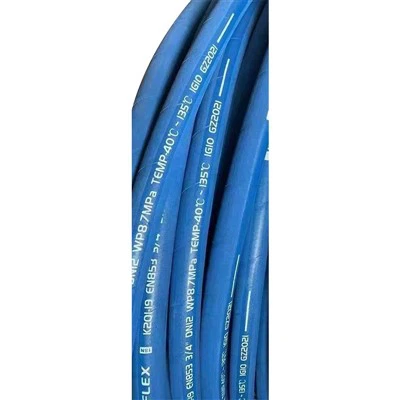
First, let’s get one thing straight: you don’t need to rip out your entire existing hydraulic system to add data tracking. Most of the gear we supply already has sensor ports you can tap into. We’re talking basic stuff—pressure sensors, temperature gauges, flow meters, even vibration sensors that clip right onto your lines. Here’s the kicker: 90% of the issues we deal with aren’t sudden failures—they’re slow, sneaky shifts. A pressure drop of 5 PSI over a week might not seem like much, but it’s a telltale sign a seal is wearing thin. Vibration spikes from a pump’s motor? That’s not normal, and ignoring it leads to a $5k pump replacement way sooner than you need it. We used to only catch these issues when something broke, which cost everyone more. Now, we pull real-time data from those sensors to spot those tiny shifts before they turn into headaches.
Let’s talk about what data points actually matter, because more isn’t always better. We don’t flood you with 20 different metrics that you’ll never look at. For hydraulic systems, stick to the big four: system pressure, fluid temperature, fluid flow rate, and component vibration. Pressure tells you if your lines are clogged, leaks are forming, or a valve is stuck. Fluid temperature? If it’s running 15°F higher than your equipment’s manual says, that’s a sign your fluid is breaking down too fast or your cooling system is on the fritz. Flow rate checks if your pump is working as hard as it should be—if it’s off, that might mean internal wear on the pump’s pistons. Vibration sensors are your early warning for motor or pump misalignment, which is one of the top causes of unexpected breakdowns in heavy hydraulic gear. We recently had a construction client who ran 12 excavators; their vibration data alerted them to a misalignment on one rig’s pump 2 weeks before it would have seized. They fixed it for $800 instead of a $14k emergency repair and 2 days of downtime. That’s the kind of win we’re talking about.
Now, how do you actually process this data? A lot of folks think you need a fancy data team, but we use simple, cloud-based tools that integrate with whatever your ops team already uses—Excel spreadsheets, Google Sheets, even basic fleet management software. We set up automated alerts, so if pressure drops below a threshold we’ve calibrated for your specific system, a text or email goes straight to your maintenance foreman, not just some guy in an IT department. Wait, but what if you’re not tech-savvy? We walk through setting these alerts with every client, step by step. For example, one of our smaller manufacturing clients has a 100-ton press; we programmed their alert to trigger if oil temp hits 185°F (their sweet spot is 165–175). Last month, that alert went off mid-shift—turns out their cooler’s fan belt was loose, and they tightened it in 10 minutes, no lost production. It’s not rocket science; it’s just paying attention to the numbers that are already being generated.
Another big use case for us is predictive maintenance, which is way better than reactive or even scheduled maintenance. Old-school maintenance was “replace your fluid every 6 months no matter what.” But if your system runs 24/7, that 6-month timeline might be too soon, or if it’s only active 4 hours a day, you could go 10 months without issue. Data analytics lets us tailor that schedule. We track fluid cleanliness too—if your filter is catching more metal shavings than usual, that means internal components are wearing, so you can adjust fluid changes to match. We had a logging company client who used to change hydraulic fluid every 6 months; their data showed their fluid only degraded to 80% of its lifespan at 8 months, so they cut their fluid costs by 25% that year. That’s money back in their pocket, not wasted on unnecessary parts or labor.
Wait, let’s address a common fear: “won’t this data be wrong?” Early on, we messed up here too. We installed sensors on a client’s old 2015 hydraulic system that were giving wonky readings because the mounting wasn’t secure. Now, we calibrate every sensor at install, and set baseline metrics using data from the first 2 weeks of operation. That baseline is key—no two hydraulic systems are identical, even the same model from the same supplier. Your system might run in a dusty factory, while the next one is in a muddy job site, so their normal metrics are different. We work with clients to build that baseline first, so alerts aren’t going off for every tiny fluctuation. For example, a forklift fleet might have a pressure spike when they lift a full pallet, so we set alerts for spikes outside of that load range, not the normal operating spikes. That cuts down on false alarms by like 80%—way less time your team is ignoring spam alerts.
We also use historical data to spot long-term trends. Let’s say we’ve been tracking a client’s hydraulic system for a year, and we notice that every winter, when the shop’s heating kicks on, their fluid temp drops and their pump pressure runs a little low. That’s not a fault—oil is thicker when it’s cold, so it needs more pressure to move through lines. Instead of wasting time troubleshooting a “problem” every January, we can pre-warm the fluid in winter months, which reduces pump wear. That’s proactive stuff that you can’t see if you’re just reacting to errors. Another example: over 2 years, we might notice that a certain model of valve we supply has a 3% higher failure rate after 3,000 operating hours. We can alert clients to replace those valves before that mark, instead of waiting for them to break and cause a shutdown.
Now, let’s talk about the pitfalls people run into with data analytics for hydraulics. First, don’t collect data you don’t need. We’ve had clients who tried to track 15 different metrics, and they were so overwhelmed they didn’t look at anything. Stick to the 4 we mentioned earlier—pressure, temp, flow, vibration—and then add fluid cleanliness if you want. Second, don’t ignore the data you have. It’s useless if no one checks the alerts. We make sure our clients assign a single point person to review the alerts (or the app automatically logs them into a maintenance ticket) so nothing slips through the cracks. Third, don’t just use the data yourself—use it to talk to us, your supplier. If your data shows a consistent pressure drop in a certain section, we can come out and inspect your lines, maybe recommend a better filter or a seal upgrade that fixes the problem, instead of you guessing at parts.
Here’s something we’re excited about right now: predictive failure modeling. We’re working on a tool that looks at data from hundreds of the hydraulic systems we’ve supplied, so we can spot patterns that individual clients might miss. For example, last year, we noticed that when a pump’s vibration hits 2.2 mm/s, 7 out of 10 times it fails within 2 weeks. That’s a pattern we didn’t see with just one client, so we can now alert everyone when their pump hits that vibration threshold, which is a super early warning sign. It’s like having a crystal ball, but it’s just data from real systems in the field.
But let’s keep it real—this isn’t for every small operation. If you have one forklift in a small warehouse, maybe a basic pressure gauge is enough, no need for cloud analytics. But if you have 5+ systems, or any downtime that costs you money, this is worth it. We’ve seen clients reduce their hydraulic-related downtime by 60% in the first 6 months of using data analytics, and cut their maintenance costs by 20–30% because they’re only replacing parts when they need to.
So what’s the next step? If you’re tired of unexpected hydraulic breakdowns eating into your profits, we can help you set this up. We’ll come out, assess your current system, suggest the right sensors to add, set up the automated alerts, and walk your team through using the data. No jargon, no long contracts—just a straight-up plan that fits your operation. We’ve worked with everything from small shops with 2 systems to large construction companies with 50+ rigs, so we know how to tailor this.
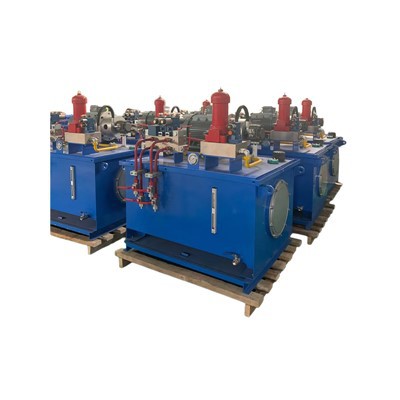
Don’t wait for your next big breakdown to sort this out. By the time you’re calling an emergency repair, you’re already losing money. Using data analytics is just working smarter, not harder, with your hydraulic system.
Industrial Hydraulic Systems References:
- Hydraulic System Maintenance Best Practices, National Fluid Power Association, 2022
- Predictive Maintenance for Industrial Hydraulics, Journal of Manufacturing Systems, Vol. 58, 2021
- Sensor Technology for Condition Monitoring in Mobile Hydraulic Systems, SAE International, 2020
- Cost-Benefit Analysis of Data-Driven Hydraulic Maintenance, Industrial Maintenance & Plant Operation, 2023
Wuhu Zhongye Fluid Equipment Co., Ltd.
We are one of the most experienced hydraulic system manufacturers and suppliers in China, specialized in providing high quality customized products. Please feel free to wholesale bulk durable hydraulic system in stock here from our factory. Contact us for quotation.
Address: No. 2, Hexing Road, Sanshan District, Wuhu City, Anhui Province
E-mail: zhongyehydro20@163.com
WebSite: https://www.zhongyehydro.com/
