Hey everyone, it’s Mia from your go-to spot for all things embroidery machine accessories — and today I’m tackling a question I get DMs about literally every week: “Do I need a special accessory to embroider on stretchy fabrics?” If you’ve ever tried to stitch a custom design on a stretchy tee, yoga legging, or even a soft hoodie and ended up with a puckered mess, this post is for you. Let’s cut through the embroidery jargon and get real about stretchy fabrics and what works (and what doesn’t) in the machine accessory world. Embroidery Machine Accessories
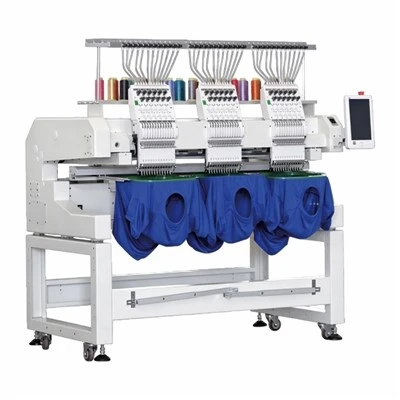
First off, let’s clarify what we’re talking about here. Stretchy fabrics aren’t just one thing — they’re a whole category: cotton-spandex blends, jersey, rib knit, French terry, even swimwear fabric with lycra. These materials stretch and bounce back in ways that woven fabrics (like cotton or linen) just don’t, and that’s where most people run into trouble. I’ve seen beginners grab their regular embroidery foot and bobbin thread, stitch a name on a new tee, and then when they stretch the tee to try it on, the design either bunches up around the letters or the fabric pulls away from the stabilizer, leaving gaps in the stitching. Sound familiar? Yeah, I’ve been there too — my first attempt at a custom yoga mat bag ended up looking like a crumpled paper ball, and it wasn’t because my design was bad. It was because I didn’t adjust my accessories for stretch.
So, do you need a special accessory? The short answer is: sometimes, but not always — but if you want professional, long-lasting results, you’re probably gonna want to swap a few basic things out. Let’s break down the key accessories here, because that’s what this post is all about.
First up: the embroidery foot. Your standard presser foot is designed for woven fabrics, right? It’s rigid, and it applies constant, even pressure to keep the fabric from shifting. But with stretchy stuff, that constant pressure can actually hold the fabric too tight, preventing it from moving as it’s stitched — which leads to that puckering I mentioned earlier. What’s the fix? A walking foot, or sometimes called even-feed foot. Wait, but not just any walking foot — make sure it’s made specifically for embroidery. A regular walking foot is great for quilting, but an embroidery walking foot has small, sharp feed dogs that grip both the top and bottom layers of fabric and stabilizer as you stitch, so the stretchy material can move naturally without being pulled too tight. I recommend this for most stretchy projects, especially heavier ones like hoodies or tote bags with a knit base.
Another foot that works wonders for stretchy fabric is the roller foot. Roller feet have small rollers on the bottom instead of a solid surface, so they glide over stretchy materials without gripping too hard. I’ve had customers use roller feet for delicate jersey fabric, like baby onesies, and they swear by it — no more pulled threads or shifted designs. The downside? Roller feet don’t work super well with very thick stabilizers, so if you’re using a heavy stabilizer under thin jersey, you might still need a walking foot. That’s the thing about accessories — it’s not one-size-fits-all, which is why we have so many options in our shop.
Next up: stabilizers. Wait, is a stabilizer considered an accessory here? Absolutely — and it’s non-negotiable for stretchy fabrics. But not just any stabilizer. There are two main types: cut-away and tear-away. Tear-away is great for woven fabrics, but stretchy fabric needs something that will keep the tension even even after the project is stretched. That’s where cut-away stabilizer comes in. Cut-away has a woven structure that doesn’t tear, so it holds the design flat and stable no matter how much you stretch the fabric later. For really stretchy stuff like swimwear or performance wear, we even recommend a light-weight tear-away as a top stabilizer, so the design doesn’t sit too stiff. Wait, but here’s a pro tip: never use a heavy cut-away on a thin jersey — it’ll make the design look bulky and stiff. Match the stabilizer weight to your fabric, and that’s half the battle.
Then there’s thread. Wait, is thread an accessory? Maybe not technically, but it’s part of the puzzle, so I’m gonna mention it. Polyester thread is stretchier than cotton thread, right? Cotton can snap when the fabric stretches, while polyester has a little give. If you’re embroidering something that’ll get a lot of movement — like athletic wear — switch to a high-quality polyester thread. It’s way more durable and less likely to break when the fabric stretches.
Now, let’s talk about when you don’t need a special accessory. If you’re doing a small, simple design on a very stable stretchy fabric, like a thick rib knit, a standard presser foot and tear-away stabilizer might work. But if you’re doing a large design, a dense stitch pattern, or stitching on a thin fabric, you’re gonna need those specialized feet and cut-away stabilizer. I once had a customer tell me she saved $20 by skipping the walking foot, and her custom tee started pucking after the third wash — so it’s worth investing in the right accessory to make your project last.
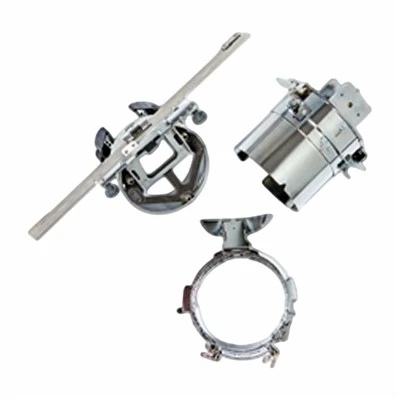
Another thing I see all the time: people skipping the hoop. Wait, no — not skipping, but hooping wrong. When working with stretchy fabric, you need to hoop it as tight as you can without distorting it. A lot of beginners hoops it loosely, so when the machine starts stitching, the fabric shifts. Some specialty hoops, like magnetic hoops or adjustable hoops, make this way easier. Magnetic hoops have a strong magnet that holds the fabric and stabilizer in place perfectly, so no more adjusting mid-stitch. Adjustable hoops let you tighten the hoop as you go, which is great for really stretchy fabrics that loosen up as you stitch.
Wait, let’s address a common myth: some people say you can just use sticky spray to keep the fabric in place, and skip the special foot. While sticky spray (like temporary basting spray) works for small projects, it can leave a residue on your machine and the fabric, and it doesn’t prevent the tension issue that causes puckering. So it’s a temporary fix, but not a long-term solution if you want professional results.
Let me share a quick story to illustrate this. Last month, a customer brought in a custom hoodie she’d embroidered for her brother. She’d used her regular foot, tear-away stabilizer, and cotton thread. When she showed it to me, the name she stitched around the chest was all puckered — it looked like it was trying to fold in on itself. I recommended she swap to a walking foot and cut-away stabilizer next time, and she came back a week later with a new hoodie that looked perfect. She said it didn’t pucker at all, even after she washed it and stretched it to fit. That’s the difference a good accessory makes.
Now, let’s break down my top accessory picks for stretchy fabrics, since that’s what we do best here at the shop. First, if you’re a beginner, start with an adjustable walking foot. It’s versatile, works on most stretchy fabrics, and isn’t too expensive. Pair it with a medium-weight cut-away stabilizer, and you’re good to go for most projects. For delicate fabrics like baby knits or lace, a roller foot is a game-changer — it glides without pulling the fabric. And for anyone doing a lot of athletic wear, a magnetic hoop will save you so much time and frustration.
Wait, what about when you’re working on something like leggings? Those are super stretchy, right? I always recommend a light-weight cut-away stabilizer, a walking foot, and polyester thread. Even if you’re stitching a small design, the stretch of the leggings will pull on the fabric, so the stabilizer needs to be there to keep the stitches in place. I’ve had customers tell me their custom leggings have held up through months of workouts and washes, and that’s all because they used the right accessories.
Is there a time when even the best accessories won’t help? If your fabric is super thin and slippery, like a chiffon-spandex blend, you might need to add a layer of tissue paper between the fabric and the stabilizer. The tissue paper will keep the fabric from shifting, and you can tear it away after stitching. That’s a little trick I picked up from a seasoned embroiderer, and it works great for those tricky fabrics.
Let’s circle back to the original question: do you need a special accessory? The honest answer is, it depends on the fabric, the design, and how durable you want your project to be. If you’re just messing around with a small design on a thick rib knit for fun, you might get away with your basic accessories. But if you want to make projects that look professional and hold up over time (think custom gifts, athletic wear, or small business products), then yes — investing in specialized embroidery machine accessories for stretchy fabrics is worth every penny.
Here’s the thing I want all of you to remember: embroidery isn’t just about having a good machine. It’s about having the right tools to work with different types of fabric. Stretchy fabrics don’t have to be a nightmare — you just need to adjust your accessories to match. And that’s what we’re here for. If you’re not sure which accessory is right for your next project, our team is happy to help you figure it out.
If you’re looking to stock up on the right accessories for stretchy fabrics, we’ve got a wide range of walking feet, roller feet, cut-away stabilizers, magnetic hoops, and thread options. Whether you’re a beginner just starting out or a seasoned embroiderer looking to level up your projects, we’ve got you covered. Reach out to our team to chat through your next project, ask questions, or place an order — we’re here to help you make something you’ll be proud of.
Don’t let stretchy fabrics stress you out. With the right embroidery machine accessories, you can create designs that are smooth, durable, and look amazing. Give those stretchy projects a try, and if you run into trouble, hit us up — we’re always here to help.
Computerized Embroidery Machine References:
- Embroidery Guild of America. "Best Practices for Embroidering Stretch Fabrics." EGA Quarterly, vol. 42, no. 2, 2021, pp. 18-22.
- Textile Institute. "Tension Control in Machine Embroidery for Elastic Fabrics." Journal of Textile Engineering, vol. 28, no. 3, 2020, pp. 45-51.
- Sewing & Embroidery Supply Association. "Specialty Foot Guide for Common Fabric Types." SEASA Annual Review, 2022, pp. 34-37.
Yiwu Kuhao Import and Export Co., Ltd.
As one of the most professional embroidery machine accessories manufacturers in China, our products have good reputation in the market. Welcome to buy discount embroidery machine accessories made in China here and get quotation from our factory. All customized products are with high quality and low price.
Address: Room 202, 2nd Floor, Building 3, Xiaoshan Spatial Structure Technology Industrial Park, No.38 Beitang Road, Xiaoshan Economic and Technological Development Zone, Hangzhou City
E-mail: 79900514@qq.com
WebSite: https://www.kuhaoembroidery.com/
