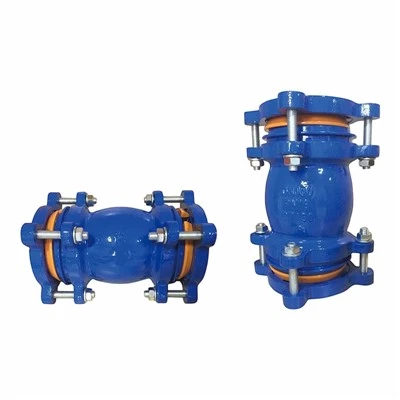
If you’ve ever stood in front of a leaking vacuum pipe in a manufacturing plant, food processing facility, or agricultural storage site, you’ve probably had the same thought I’ve had a hundred times: Can a repair clamp actually hold on here without causing more problems down the line? As a repair clamp supplier who’s worked closely with maintenance teams across North America for the last 12 years, this is one of the most common, and most misunderstood, questions I get. It’s not a yes or no answer—this is a question that depends on pipe type, vacuum level, clamp specification, and how the repair is installed. Let’s break this down like we do with every customer, no technical jargon that doesn’t serve a purpose, and straight from the shop floor to your screen. Repair Clamp
First, let’s get clear on what a vacuum pipe actually does. Unlike pressurized pipes, where fluid or gas is forced outward by higher system pressure, vacuum pipes operate at a pressure lower than atmospheric pressure. That means the system is pulling air (or whatever material you’re moving—often dust, fumes, gases, or even liquid) into the pipe, not pushing it out. The key here is that the forces acting on a leak in a vacuum pipe are the opposite of a pressurized leak. If a pressurized pipe has water or air trying to escape through a crack, a vacuum pipe has atmospheric pressure trying to push into the system through that same crack. That’s a critical distinction because it changes what a repair clamp needs to do.
Most standard repair clamps are designed for pressurized pipes. They work by clamping down on both sides of a leak, creating a tight seal with a rubber gasket that compresses against the pipe wall. For pressurized systems, this works because the internal pressure pushes the gasket outward against the clamp body, creating a stronger seal. For vacuum systems, the pressure gradient is reversed—so what’s holding the clamp against the pipe? If the clamp is only relying on the friction from its bolts, that’s a problem. Under higher vacuum levels (think 29 inches of mercury or more), the atmospheric pressure pushing on the outside of the pipe and clamp can actually work to separate the clamp from the pipe, or even pull the gasket away from the leak if the seal isn’t designed to hold that inward force.
That said, I’ve had customers call me in a panic at 2 a.m. because a vacuum pipe in their grain processing facility split, and they couldn’t get a pipe fitter out until morning. They used a standard repair clamp temporarily, and it held—for a few days. But when the vacuum level spiked during harvest, it popped off, causing a production shutdown that cost them tens of thousands of dollars. That’s the difference between a one-off temporary fix and a long-term, reliable repair. So the short answer is: yes, a repair clamp can be used on a vacuum pipe—but only if it’s the right type of clamp, sized correctly, and installed according to specific guidelines designed for low-pressure, inward-acting systems.
Let’s talk about the types of repair clamps that work for vacuum pipes. Standard straight band clamps with a single rubber gasket are out for anything over 15 inches of mercury vacuum. The problem is the gasket is flat, and the clamp body doesn’t have a lip that sits against the pipe around the leak. When atmospheric pressure pushes in, it can force the gasket to fold back or slide, breaking the seal. What works? First, vacuum-specific repair clamps with a two-layer gasket design. The inner layer is a firm, elastomeric material that seals against the pipe wall, and the outer layer is a softer, more compressible rubber that creates a secondary barrier against air ingress. Some of these clamps also have a full 360-degree seal that covers at least 2 inches of pipe on either side of the leak—not the 1 inch that’s standard on many pressurized clamps. The extra coverage helps distribute the inward pressure evenly, so it doesn’t create a spot where air can seep in.
Another key feature is the clamp’s bolt torque specification. For pressurized pipes, you tighten the bolts just enough to create a good seal—too much torque can crack the pipe or damage the gasket. For vacuum pipes, you need to tighten the bolts to a higher, consistent torque, and many vacuum clamps come with a torque spec calibrated specifically for inward pressure loads. I’ve seen customers use a standard clamp and over-tighten the bolts, only to crack the pipe because they didn’t account for the inward force pulling the pipe outward at the leak site. That’s a rookie mistake, and it’s why so many maintenance teams think repair clamps don’t work for vacuum pipes—they’re using the wrong torque, not the wrong clamp.
Pipe material is another factor I never skip when talking to customers. Vacuum pipes are often made of PVC, stainless steel, galvanized steel, or even aluminum, depending on the application. Each material has different surface textures and expansion rates, which affect how well a gasket seals. For example, PVC vacuum pipes have a smooth surface, so a repair clamp with a gasket that has a slight texture to grip the pipe works better. Stainless steel pipes, on the other hand, are more rigid, so the clamp needs a thicker gasket to account for any minor imperfections in the pipe wall that would cause leaks. Galvanized steel is trickier because the zinc coating can wear down over time, creating a rough surface that won’t seal as well—so we recommend a clamp with a neoprene-coated gasket for galvanized steel vacuum pipes to fill in those small gaps.
I want to address a common myth I hear all the time: “Vacuum leaks are too small to need a repair clamp.” No, a pinhole leak in a vacuum pipe can be just as bad as a 2-inch split for production. If your system is pulling 20 inches of mercury vacuum, a pinhole leak means your pump has to work twice as hard to maintain that level, wasting energy and shortening the pump’s lifespan. I had a customer last year who ignored a small pinhole in their pneumatic conveying line because they thought it was no big deal. Six months later, the constant air ingress caused condensation to build up in the line, which mixed with the grain they were moving, leading to mold and a full batch of spoiled product. A properly installed repair clamp would have fixed that tiny leak for less than $50, instead of costing them $12,000 in spoiled grain and lost production.
Now, let’s get into when a repair clamp isn’t the right choice for a vacuum pipe. If the pipe has a crack that’s longer than 10% of the pipe’s diameter, or if the pipe is severely corroded or bent, a repair clamp won’t work—you’ll need a full pipe section replacement. Also, if your vacuum system operates at a level higher than 25 inches of mercury (which is most industrial vacuum systems), a repair clamp is not recommended as a permanent fix. At that level, the inward pressure is so high that even the best-designed repair clamp can’t create a long-term seal without additional support, like epoxy or a secondary weld. And if the pipe is transporting hazardous materials (like toxic fumes or explosive gases), you should never use a repair clamp for a permanent repair—always follow industry standards specific to your material and system.
I always walk my customers through a step-by-step checklist when they’re considering using a repair clamp on a vacuum pipe, to make sure it’s going to work correctly. First, confirm the vacuum level of your system. If it’s under 15 inches of mercury, a medium-duty vacuum clamp will work. If it’s between 15 and 25 inches, you need a heavy-duty vacuum-specific clamp with a full 4-inch gasket coverage. Next, check the pipe material and size—make sure the clamp is rated for both. Then, prepare the pipe surface: clean the area around the leak thoroughly, removing any dirt, rust, or old gasket material, and lightly sand the surface to create a consistent texture for the gasket to seal against. Finally, torque the bolts in a crisscross pattern, tightening each bolt a little at a time, until you reach the manufacturer’s specified torque. Don’t just tighten one bolt all the way—that will cause the clamp to tilt and break the seal.
I’ve installed hundreds of these clamps over the years, both as a supplier and when I was doing field service early in my career. My favorite memory was a dairy processing plant that had a vacuum pipe running through their cheese aging room that had split during a temperature change. The maintenance team tried a standard repair clamp, but it popped off every time the vacuum level spiked when they opened the aging room doors. We brought in our vacuum-specific clamp, had them clean the pipe, followed the torque spec, and that repair has held for 7 years now. They told me last month it’s still going strong, and they haven’t had to touch that line since. That’s the kind of result that makes all the technical research worth it—knowing that a simple, cost-effective repair can save a customer from downtime and headaches.
Another thing I always emphasize to customers: never use a repair clamp that’s been sitting in storage for more than a year. Gaskets degrade over time, even if they’re in the original packaging. If the gasket is hard, cracked, or discolored, it won’t seal properly, especially under vacuum pressure. I had a customer try that once—they grabbed an old clamp from their parts bin, used it on a vacuum pipe, and had a leak within 24 hours. When we pulled the clamp off, the gasket was rock hard, like a plastic bottle, so it couldn’t compress against the pipe wall. That’s a simple mistake that’s easy to avoid, but it’s one that so many teams make because they’re in a hurry and reach for the closest part.
Let’s also talk about regulatory standards, because I know that’s a big concern for industrial facilities. The Occupational Safety and Health Administration (OSHA) and the Pipeline and Hazardous Materials Safety Administration (PHMSA) have guidelines for pipe repairs, but they don’t ban repair clamps for vacuum pipes—they just require that the repair is reliable and doesn’t pose a safety risk. For low-pressure vacuum systems (under 15 inches of mercury), a properly installed vacuum repair clamp is considered a valid, code-compliant repair. For higher-pressure systems, you’ll need to consult your local code authority, but many will allow a vacuum clamp as a temporary repair while you wait for a permanent fix.
At the end of the day, the question “Can a repair clamp be used on a vacuum pipe?” boils down to two things: using the right clamp for your system, and installing it correctly. It’s not a one-size-fits-all solution, but when done right, it’s a cost-effective, time-saving alternative to full pipe replacement. I’ve seen too many maintenance teams waste thousands of dollars replacing entire pipe sections when a $100 repair clamp would have fixed the problem, just because they didn’t know the difference between a standard pressurized clamp and a vacuum-specific one.
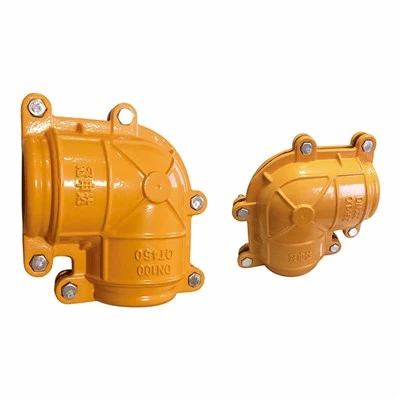
If you’re dealing with a vacuum pipe leak right now, or you want to update your maintenance protocol to avoid future shutdowns, I’d be happy to walk you through the options. We work with facilities of all sizes, from small agricultural operations to large manufacturing plants, and we can help you pick the right repair clamp for your vacuum system, no matter the pipe material or vacuum level. Don’t guess at your pipe repair—get a solution that’s designed to work for vacuum pressure, and avoid the headaches that come with a failed, leaky seal.
Flange Repair Clamp For more information on repair clamps for vacuum pipes, consult the following references:
- American Water Works Association. (2020). Repair Clamps for Pipeline Leaks and Damage. AWWA Manual M21.
- Occupational Safety and Health Administration. (2019). Process Piping Systems: Maintenance and Repair. OSHA 3264-12R.
- Pipeline and Hazardous Materials Safety Administration. (2021). Nonmetallic Pipeline Repair Guidelines. PHMSA Report PHMSA-Pipeline-21-0001.
Fujian Fufa Valve Manufacturing Co., Ltd.
As one of the most professional repair clamp manufacturers and suppliers in China, we’re featured by quality products and good price. Please rest assured to buy durable repair clamp made in China here from our factory. Welcome to view our website for more information.
Address: Meilin Xikou Industrial Zone, Nan’an City, Quanzhou City, Fujian Province
E-mail: hongwenjin@fufafamen.cn
WebSite: https://www.fufavalve.com/
