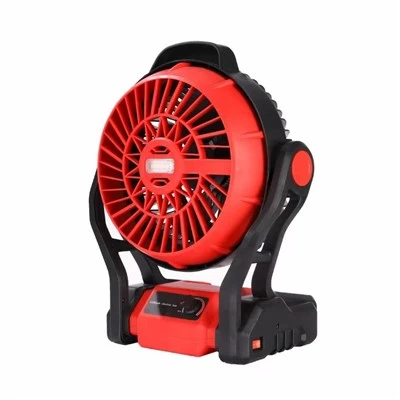
Indoor fans are essential appliances in many households and commercial spaces, providing comfort by circulating air and creating a pleasant environment. When it comes to indoor fans, one of the most significant decisions consumers face is whether to choose a single-speed or a multi-speed fan. As an experienced indoor fan supplier, I’ve witnessed the diverse needs of customers and understand the unique features of both types. In this blog, I’ll delve into the differences between single-speed and multi-speed indoor fans to help you make an informed choice. Indoor Fan
1. Speed Options
The most obvious difference between single-speed and multi-speed indoor fans lies in their speed settings. A single-speed fan operates at a fixed speed. Once you turn it on, it will run at a constant rate until you switch it off. This simplicity can be a blessing for some users who prefer a straightforward operation. For example, in a small room where a consistent airflow is all that’s needed, a single-speed fan can do the job effectively.
On the other hand, multi-speed fans offer a range of speed settings. Typically, these fans come with three to five different speed levels, allowing users to adjust the airflow according to their specific requirements. In hot summer days, you can crank up the speed to get a powerful blast of air. Conversely, on milder days or when you’re trying to sleep, a lower speed can provide a gentle breeze without being too overpowering.
2. Airflow and Cooling Efficiency
The speed options directly impact the airflow and cooling efficiency of the fans. Single-speed fans, with their fixed speed, provide a consistent airflow. However, this may not always be sufficient, especially in larger rooms or during extremely hot weather. The lack of adjustable speed means that you can’t increase the airflow when needed, which might result in less effective cooling.
Multi-speed fans, with their variable speed settings, offer more flexibility in terms of airflow. Higher speeds can generate a stronger and more widespread airflow, which is ideal for cooling larger areas. The ability to adjust the speed also allows you to optimize the cooling effect based on the temperature and humidity of the environment. For instance, in a stuffy room, a high-speed setting can quickly circulate the air and make the space more comfortable.
3. Energy Consumption
Energy consumption is an important consideration for many consumers. Single-speed fans generally consume a fixed amount of energy as long as they’re running. Since they operate at a constant speed, there’s no way to reduce energy usage when a lower airflow is sufficient. This can lead to higher electricity bills, especially if the fan is used for extended periods.
Multi-speed fans, on the other hand, offer the advantage of energy savings. By using a lower speed setting when the full power is not required, you can significantly reduce the energy consumption. For example, during the night or in a well-ventilated room, a low-speed setting can provide enough airflow while consuming much less electricity compared to the high-speed setting.
4. Noise Level
Noise can be a major factor, especially if you plan to use the fan in a bedroom or a study. Single-speed fans, running at a fixed speed, tend to produce a consistent noise level. Depending on the design and quality of the fan, this noise can range from a gentle hum to a more noticeable whirring sound.
Multi-speed fans offer more control over the noise level. Since you can adjust the speed, you can choose a lower setting to minimize the noise. For instance, if you’re trying to sleep, a low-speed setting will produce a softer and less intrusive sound compared to a high-speed setting.
5. Cost
In terms of cost, single-speed fans are generally more affordable. They have a simpler design and fewer components, which translates to a lower price tag. This makes them a popular choice for budget-conscious consumers.
Multi-speed fans, with their additional features and complexity, are usually more expensive. However, the extra cost can be justified by the increased functionality and flexibility they offer. When considering the cost, it’s important to also factor in the long-term savings on energy bills, which can offset the initial higher investment.
6. Suitability for Different Environments
Single-speed fans are well-suited for small spaces where a consistent airflow is sufficient. They’re also a good option for areas where the temperature doesn’t vary much, such as a storage room or a small office with a stable climate control system.
Multi-speed fans are more versatile and can adapt to different environments. They’re ideal for larger rooms, living areas, and bedrooms where the airflow needs to be adjusted according to the time of day, the number of people in the room, and the outside temperature.
7. Maintenance and Durability
Both single-speed and multi-speed fans require regular maintenance to ensure optimal performance and longevity. However, single-speed fans, with their simpler design, are generally easier to maintain. There are fewer components that can malfunction, and the repair process is often less complicated.
Multi-speed fans, with their more complex speed control mechanisms, may require more attention. The additional components, such as the speed switch and the motor control circuit, can be prone to wear and tear over time. However, with proper maintenance and high-quality components, multi-speed fans can also have a long lifespan.
Conclusion
In conclusion, the choice between a single-speed and a multi-speed indoor fan depends on your specific needs and preferences. If you’re looking for a simple, affordable solution for a small space with consistent airflow requirements, a single-speed fan may be the right choice. On the other hand, if you need more flexibility in terms of airflow, energy savings, and noise control, a multi-speed fan is a better option.
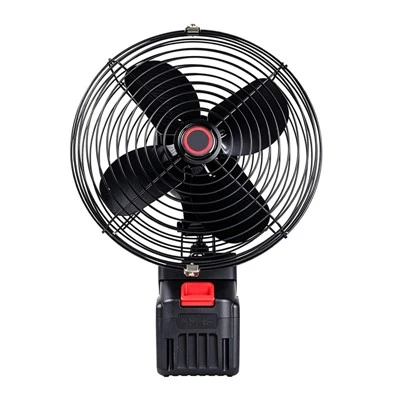
Outdoor Fan As an indoor fan supplier, I’m committed to providing high-quality fans that meet the diverse needs of our customers. Whether you choose a single-speed or a multi-speed fan, you can expect reliable performance and excellent value for your money. If you’re interested in purchasing indoor fans for your home or business, I encourage you to contact me to discuss your specific requirements. We can work together to find the perfect fan solution that suits your needs and budget.
References
- "Consumer Reports: Indoor Fans Buying Guide." Consumer Reports.
- "Energy Efficiency of Fans." U.S. Department of Energy.
- "The Science of Airflow in Indoor Fans." Journal of HVAC Research.
Yongkang Agudo Industry & Trade Co., Ltd.
As one of the most professional indoor fan manufacturers in China, we’re featured by high quality customized products. Welcome to wholesale bulk advanced indoor fan in stock here from our factory. If you have any enquiry about pricelist and free sample, please feel free to email us.
Address: 2nd Floor, Unit 2, Building 5, No. 46 Xicheng Huacheng West Road, Xicheng Subdistrict, Yongkang City, Zhejiang Province
E-mail: 15888900905@163.com
WebSite: https://www.cnagudo.com/
