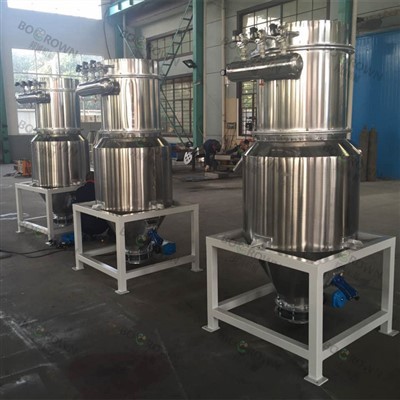
Controlling emissions from a filter cartridge dust collector is crucial for maintaining a clean and safe working environment while also meeting environmental regulations. As a supplier of filter cartridge dust collectors, I have witnessed firsthand the significance of effective emission control in a myriad of industrial applications. In this blog, I will share insights and strategies on how to manage emissions from these essential machines, based on my years of experience in the industry. Filter Cartridge Dust Collector
Understanding the Basics of Filter Cartridge Dust Collectors
Before delving into emission control strategies, it’s important to understand how filter cartridge dust collectors work. These devices are designed to remove dust and particulate matter from industrial air streams. They consist of a housing, filter cartridges, a cleaning system, and a fan. The dirty air enters the dust collector, and as it passes through the filter cartridges, the dust particles are trapped on the surface or within the media of the cartridges. The clean air then exits the system, and the collected dust is periodically removed from the cartridges, usually by a reverse – air or pulse – jet cleaning mechanism.
Selecting the Right Filter Cartridges
One of the most fundamental steps in controlling emissions is choosing the appropriate filter cartridges. The filter media plays a vital role in determining the efficiency of dust capture. Different types of filter media are available, each with its own characteristics and suitability for specific applications.
- Fiber Media: This is a common choice for general industrial applications. It is cost – effective and can provide good filtration efficiency for a wide range of particle sizes. However, it may require more frequent cleaning compared to some other media types.
- Membrane – Coated Media: Membrane – coated filter cartridges offer high filtration efficiency, especially for fine particles. The thin membrane on the surface of the media allows for easy dust release during the cleaning process, reducing the chances of dust penetration and maintaining a consistent pressure drop across the filter.
- Nanofiber Media: Nanofiber – enhanced filter cartridges are designed to capture ultrafine dust particles with high efficiency. They have a high surface area and can provide better performance in applications where extremely low emission levels are required.
When selecting filter cartridges, it’s essential to consider the properties of the dust, such as particle size distribution, abrasiveness, and chemical composition. Additionally, factors like the airflow rate, operating temperature, and humidity of the application environment also need to be taken into account.
Proper Installation and Maintenance of Filter Cartridges
Even the best – quality filter cartridges won’t perform effectively if they are not installed correctly. During installation, make sure that the cartridges are tightly sealed to prevent any bypass of dirty air. A loose seal can significantly increase emissions and reduce the overall efficiency of the dust collector.
Regular maintenance is also key to controlling emissions. Here are some maintenance best practices:
- Inspection: Conduct routine visual inspections of the filter cartridges to check for signs of damage, such as tears, holes, or excessive dust buildup. If any damage is detected, replace the cartridges immediately.
- Cleaning: Follow the manufacturer’s recommendations for the cleaning frequency and method. Over – cleaning can damage the filter media, while under – cleaning can lead to increased pressure drop and reduced filtration efficiency.
- Replacement: Determine the appropriate replacement intervals for the filter cartridges based on the operating conditions. In some high – dust applications, cartridges may need to be replaced more frequently than in others.
Optimizing the Cleaning System
The cleaning system of a filter cartridge dust collector is responsible for removing the collected dust from the filter cartridges to maintain their performance. There are two main types of cleaning systems: reverse – air and pulse – jet.
- Reverse – Air Cleaning System: This type of cleaning system uses a reverse flow of air to dislodge the dust from the filter cartridges. The process is relatively gentle and is suitable for applications where the dust is not highly cohesive. To optimize the reverse – air cleaning system, ensure that the air volume and pressure are maintained within the recommended range. Adjust the cleaning cycle time according to the dust loading.
- Pulse – Jet Cleaning System: Pulse – jet systems use short bursts of compressed air to clean the filter cartridges. This method is more effective for removing stubborn dust and can be used in high – dust applications. However, improper adjustment of the pulse – jet settings can cause premature cartridge failure. Set the pulse interval, width, and pressure carefully to ensure efficient cleaning without damaging the filter media.
Monitoring and Controlling the Operating Conditions
Monitoring the operating conditions of the dust collector is essential for emission control. Here are some parameters that should be monitored:
- Pressure Drop: The pressure drop across the filter cartridges is an important indicator of their performance. An increasing pressure drop may indicate that the cartridges are clogged and need to be cleaned or replaced. By maintaining a consistent pressure drop within the recommended range, you can ensure efficient filtration and minimize emissions.
- Airflow Rate: The airflow rate affects the residence time of the dirty air in the dust collector and the filtration efficiency. Ensure that the airflow rate is within the design specifications of the dust collector. Fluctuations in the airflow rate can cause uneven dust distribution on the filter cartridges and lead to increased emissions.
- Temperature and Humidity: Extreme temperatures and high humidity can affect the performance of the filter media and the cleaning system. In high – humidity environments, the dust may become sticky and difficult to remove, while high temperatures can cause the filter media to degrade. Monitor these parameters and take appropriate measures, such as installing heaters or dehumidifiers, if necessary.
Complying with Environmental Regulations
Meeting environmental regulations is not only a legal requirement but also a moral responsibility. Different regions have different emission standards, and it’s important to stay informed about the regulations applicable to your area. Work with regulatory authorities to determine the maximum allowable emission levels for your industrial process.
In addition to meeting the minimum requirements, consider implementing additional measures to reduce emissions further. This can enhance your company’s environmental reputation and contribute to a more sustainable future. For example, you can invest in more advanced filter media or upgrade your dust collector system to improve its efficiency.
Conclusion
Controlling emissions from a filter cartridge dust collector requires a comprehensive approach that includes selecting the right filter cartridges, proper installation and maintenance, optimizing the cleaning system, monitoring operating conditions, and complying with environmental regulations. As a supplier of filter cartridge dust collectors, I am committed to providing high – quality products and technical support to help our customers achieve effective emission control.
Vertical Plastic Crusher If you are looking for solutions to control emissions from your dust collector or are interested in purchasing a new filter cartridge dust collector, I encourage you to reach out to us. Our team of experts can provide you with customized advice and products based on your specific needs. We look forward to discussing your requirements and working with you to create a cleaner and safer work environment.
References
- "Handbook of Dust Collection", Industrial Press Inc.
- "Air Pollution Control: A Design Approach", Lewis Publishers
- "Filter Cartridge Dust Collectors – Technical Manual", Industry Standard Publication.
ZJG BC Machinery Co., Ltd.
As one of the most professional filter cartridge dust collector manufacturers and suppliers in China, we’re featured by quality products and good price. Please rest assured to buy cost-efficient filter cartridge dust collector for sale here from our factory. Contact us for custom service and OEM service.
Address: No.8 Lexi Road, Leyu Town, Zhangjiagang City
E-mail: sales@bcextruder.com
WebSite: https://www.bcextruder.com/
