Replacing the brake lines in auto brake parts is a critical maintenance task that directly impacts vehicle safety. As a supplier of high – quality auto brake parts, I understand the importance of this process and am eager to share my knowledge and experiences with you. Auto Brake Parts

Understanding the Importance of Brake Lines
Brake lines are a fundamental component of a vehicle’s braking system. They are responsible for carrying brake fluid from the master cylinder to the brake calipers or wheel cylinders at each wheel. When you press the brake pedal, the brake fluid is pressurized, and this pressure is transmitted through the brake lines to activate the brakes. Corroded, damaged, or leaking brake lines can lead to a loss of brake fluid pressure, resulting in reduced braking performance and, in the worst – case scenario, complete brake failure.
A lot of accidents could potentially be avoided if proper attention was paid to the condition of the brake lines. Over time, brake lines can be affected by various factors such as corrosion, road debris, and general wear and tear. For example, in regions with harsh winters where salt is used on the roads, the salt can accelerate the corrosion of brake lines.
Tools and Materials Needed
Before you start replacing the brake lines, it is essential to gather all the necessary tools and materials. Here is a list of what you will typically need:
- New brake lines: Ensure that the new brake lines are the correct size and length for your specific vehicle make and model. As a supplier, I can provide you with a wide range of brake lines that are designed to meet OEM (Original Equipment Manufacturer) specifications.
- Brake line cutter: This tool is used to cut the old brake lines to the correct length when removing them and to prepare the new brake lines for installation.
- Flare nut wrench: A flare nut wrench is specifically designed to grip the nuts on the brake lines without rounding them off. It is different from a regular open – end wrench and is crucial for松开 and tightening brake line nuts.
- Tube bender: If you need to bend the new brake lines to fit the existing routing in your vehicle, a tube bender will be necessary.
- Brake fluid: You will need to bleed the braking system after replacing the brake lines, so having an adequate supply of the appropriate brake fluid is essential.
- Jack and jack stands: These are used to lift the vehicle safely and support it while you work on the brake lines.
- Safety glasses and gloves: When working with brake fluid and cutting tools, it is important to protect your eyes and hands.
Step – by – Step Guide to Replacing Brake Lines
Step 1: Preparation
First, make sure you have a well – ventilated work area. Open the vehicle’s hood and locate the master cylinder. Use a clean container to remove some of the brake fluid from the master cylinder reservoir. This will help prevent excessive spillage when you start disconnecting the brake lines.
Step 2: Lift the Vehicle
Use a jack to lift the vehicle at the appropriate lifting points and secure it with jack stands. Make sure the vehicle is stable before proceeding.
Step 3: Locate and Inspect the Brake Lines
Crawl under the vehicle and locate the brake lines. Trace them from the master cylinder to each wheel. Inspect the brake lines for signs of corrosion, leaks, or physical damage. Pay special attention to areas where the lines pass through brackets or near moving parts.
Step 4: Remove the Old Brake Lines
Using a flare nut wrench, carefully loosen the nuts at each end of the brake line you want to replace. Start at the wheel end and work your way back to the master cylinder or the junction point. Once the nuts are loose, use a brake line cutter to cut the old brake line. Try to save the old brake line as a template for routing the new one.
Step 5: Install the New Brake Lines
Take the new brake line and use a tube bender to bend it to match the shape of the old brake line. Make sure the bends are smooth and not kinked. Attach the new brake line to the appropriate fittings at the master cylinder or junction point first. Tighten the nuts using a flare nut wrench, but be careful not to overtighten them as this can cause damage. Then, route the brake line to the wheel and attach it to the brake caliper or wheel cylinder.
Step 6: Bleed the Braking System
Bleeding the braking system is a crucial step to remove any air bubbles from the brake lines. Start from the wheel that is farthest from the master cylinder and work your way towards it. Have an assistant press the brake pedal slowly and steadily while you open the bleeder valve at the wheel cylinder or caliper. As the brake fluid and air come out, close the valve. Repeat this process until no more air bubbles are present in the fluid.
Step 7: Check for Leaks
Once the bleeding process is complete, check all the connections for leaks. Start the vehicle and pump the brake pedal a few times to build up pressure. Look under the vehicle for any signs of brake fluid leakage.
Step 8: Lower the Vehicle
If everything looks good and there are no leaks, carefully lower the vehicle using the jack.
Tips and Tricks
- When cutting the brake lines, make sure the cut is clean and straight. A jagged cut can cause problems when attaching the fittings.
- Lubricate the brake line nuts slightly before tightening them. This can make it easier to remove them in the future if needed.
- If you are not confident in your ability to replace the brake lines yourself, it is always a good idea to consult a professional mechanic.
Why Choose Our Auto Brake Parts
As a supplier of auto brake parts, we take pride in offering high – quality products. Our brake lines are made from the finest materials, ensuring durability and reliability. We understand that safety is of the utmost importance when it comes to vehicle brakes, and we are committed to providing products that meet or exceed industry standards.
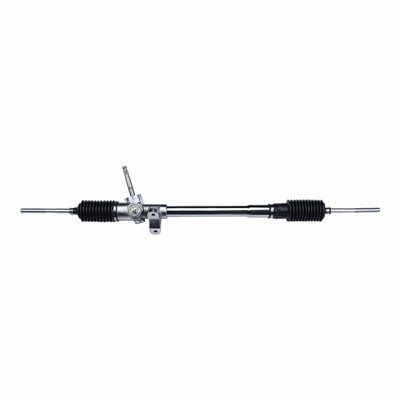
We also offer a wide range of brake parts to suit different vehicle makes and models. Whether you are a professional mechanic or a DIY enthusiast, our products are designed to make the installation process as smooth as possible.
Contact Us
Mechanical Products If you are in need of replacement brake lines or any other auto brake parts, we encourage you to contact us for a purchase negotiation. Our team of experts is ready to assist you in finding the right products for your needs. We can provide you with detailed information about our products, pricing, and shipping options.
References
- "Automotive Brake Systems" – A comprehensive textbook on the principles and maintenance of vehicle braking systems.
- "Brake Line Installation Guide" – A technical manual provided by leading auto parts manufacturers.
JR Global Workshop Co., Ltd.
We’re well-known as one of the leading auto brake parts manufacturers and suppliers in China. Please feel free to buy bulk high-grade auto brake parts for sale here from our factory. All customized products are with high quality and competitive price.
Address: Fuyuan Industrial Zone, Baoan District, Shenzhen City, Guangdong province, China.
E-mail: jrspeed@spdmw.com.cn
WebSite: https://www.jr-speed.com/
