If you’ve ever stopped to consider how items like emergency road signs, fire exit markings, or the labels on construction hard hats stand out even on the darkest, foggiest nights, you’ve encountered a reflective label—one of those unsung, life-saving products that most people don’t think about until they need it. As a label supplier who’s worked with everything from small local delivery fleets to large municipal road maintenance teams over the past 12 years, I’ve seen firsthand how reflective labels aren’t just another addition to a product’s packaging or safety gear; they’re a quiet critical layer that bridges the gap between visibility and safety. Let’s break down what exactly a reflective label is, how it works, why it matters, and how to make sure you’re choosing the right one for your needs. Label
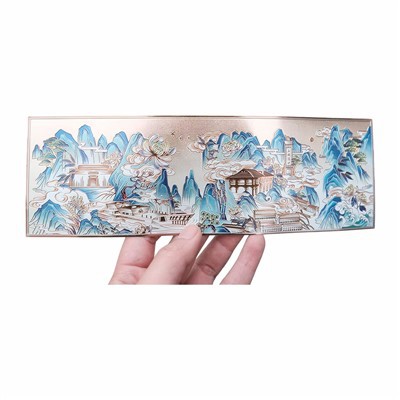
First, let’s skip the overly technical jargon and start with a simple definition. A reflective label is a pressure-sensitive label or marking that uses specialized retroreflective technology to bounce light back toward its source, instead of scattering it in all directions like regular paper or plastic labels. You’ve experienced this in action if you’ve ever walked past a road sign at night and realized it looked far brighter than it should have, even though your car’s headlights were the only light around. That same effect is exactly what makes reflective labels effective, just scaled down to a flexible, adhesive label that can stick to nearly any surface.
Unlike regular labels, which rely on light reflecting off their surface to make them visible (meaning you need a light source at some angle to see them, but the light doesn’t come back to you), reflective labels create a “return signal” of light that’s most intense right where the light originated. That’s why a construction worker wearing a jacket with reflective tape is visible to a driver from hundreds of feet away, even on a rainy, unlit highway—their gear doesn’t just glow; it sends the headlights’ light right back to the driver’s eyes, cutting through darkness, fog, or mist that would make regular labels unreadable at distance.
Now, let’s get into the science that makes this work, because it’s not just magic (well, not entirely). The core component of any good reflective label is the retroreflective element, and there are two main types that you’ll encounter as you source these labels: glass bead retroreflectivity and microprism retroreflectivity. For our team here at the label company we run, we’ve spent years testing both to understand which works best for different applications, and it’s a difference that makes a huge impact.
Glass bead technology is the older, more traditional option, and it’s what you’ll find on most standard traffic control signs or entry-level safety labels. It uses tiny, uniformly sized glass beads embedded in a clear resin layer on the label’s surface. When light hits the beads, each one acts like a tiny lens, bending the light inward toward a mirrored layer at the back of the beads. That mirrored layer bounces the light straight back toward its source, so you see a bright, clear reflection. Glass bead labels are affordable, flexible enough to stick to curved surfaces like water bottles or tool handles, and they work well for short-range visibility needs. They’re perfect for things like inventory labels on outdoor equipment, or temporary markings for warehouse floors, where visibility needs are measured in tens or hundreds of feet.
Microprism technology is the newer, higher-performance option, and it’s what we recommend for high-stakes applications. Instead of glass beads, these labels use tiny, precise plastic prisms (think of millions of tiny tiny pyramid shapes) embedded in the label’s surface. Each prism bends and reflects light back to its source with much higher efficiency than glass beads—so you get a brighter reflection from twice the distance. That’s why microprism reflective labels are required by OSHA for things like high-visibility work gear, or by DOT for commercial truck side markings. They also hold up better over time: UV light doesn’t break down the prisms as quickly as glass beads, so a microprism label on a road sign will stay bright for 10 years or more, compared to 3-5 years for a standard glass bead label. The tradeoff is that microprism labels are a bit stiffer and more expensive, but for anyone relying on visibility to keep people safe, that extra cost is worth every penny.
Now, I want to be honest with you— not every reflective label is created equal. In my years in this industry, I’ve seen too many people cut corners by buying cheap, imported reflective labels that claim to be “high visibility” but don’t actually meet any safety standards. These labels use low-quality glass beads that fall off after a few months in the sun, or a thin reflective coating that stops working after a year of being scrubbed by rain or road grime. For example, a construction company that tried to save 20% on labels for their workers’ vests a few years back ended up with 30% of the labels peeling off after three months, leading to two near-miss incidents where workers were barely visible to passing trucks. That’s not a mistake we want our customers to make.
So, what should you look for when you’re shopping for a reflective label? First, match the label’s performance to your use case. If you’re marking outdoor furniture that only needs to be visible for a few years during camping season, a glass bead label is more than enough. If you need to label fire extinguishers in a warehouse that’s open 24/7, or mark the edges of a construction site in a remote area with no streetlights, you need a DOT- or OSHA-compliant microprism label that’s been tested for durability and reflectivity.
Second, think about the surface the label will stick to. A reflective label that works on a smooth metal road sign won’t stick well to a curved plastic gas can, or a textured fabric work vest. We offer custom adhesive options for every surface: permanent acrylic adhesive for metal and concrete, flexible rubber-based adhesive for fabric and curved plastic, and even removable adhesive for temporary markings like event floor labels. We also offer different levels of water resistance for labels that will be submerged (like marine equipment labels) or exposed to heavy rain (like road safety labels).
Third, don’t overlook the print quality on the label itself. A reflective label doesn’t just need to reflect light—it needs to have clear, readable text or logos. If you print black text on a red reflective label, for example, make sure the ink used is designed to be visible on reflective surfaces. We use UV-resistant, lightfast inks that won’t fade even after 5 years of sun exposure, and we test every print run to ensure that the text and logos stay sharp and readable, even in low light.
Let’s talk about some common uses for reflective labels that you might not have considered, because this technology is more versatile than most people realize. We work with hospitals that use reflective labels on medical equipment, so nurses can find critical devices like defibrillators at a glance in dim emergency rooms. We work with delivery companies that use reflective labels on the back of their vans, so other drivers can see them in rain or snow. We even work with pet supply companies that make reflective name tags for dog collars, so owners can find their lost pet in the dark. Every single one of these uses relies on that same retroreflective technology that makes road signs work.
One of my favorite projects we worked on a few years back was with a small town’s Parks and Recreation department. They needed to mark the edges of their hiking trails, which wind through a heavily wooded area with no streetlights, and they wanted something that would be visible to hikers and trail runners after dark. We worked with them to develop a custom reflective trail marker label that could be applied to wooden posts along the trail, with a small arrow pointing the way and the park’s name. We used microprism reflective material, because the labels needed to be visible from 50 feet away even when it was foggy, and we used a weather-resistant adhesive that would stick to rough wooden posts for up to 7 years. The park supervisor told us later that since they installed the labels, they’d had zero reported incidents of hikers wandering off-trail after dark, which is something they’d dealt with for decades before. That’s the kind of impact reflective labels can have—small, simple products that make a huge difference.
Now, I know that if you’re reading this, you might be wondering if a reflective label is right for your business or project. Maybe you’re a small business owner looking to add safety markings to your work vehicles. Maybe you’re a facilities manager needing to label exit signs or utility boxes. Maybe you’re a festival organizer wanting to add visibility to event barriers for night attendees. Whatever your need, the good news is that there’s a reflective label that’s a perfect fit for you.
As a label supplier, we don’t just sell products—we work with you to figure out exactly what you need. We’ll ask questions like: Where will this label be used? How long does it need to last? What surface will it stick to? What level of visibility do you need? We don’t push the most expensive product just to make a sale; we recommend the product that will work best for your specific use case. For example, if you come to us needing labels for inventory on outdoor tools that will only be used for one summer, we’ll recommend an affordable glass bead label that will last for the season, instead of a more expensive microprism label that would be overkill. If you need labels for commercial truck markings that have to meet federal standards, we’ll make sure you get DOT-compliant microprism labels that pass all the required reflectivity and durability tests.
I also want to mention that custom reflective labels are easier than you think. A lot of people assume that because they’re a specialized product, you have to order thousands of labels at a time, but that’s not the case. We offer flexible order sizes, whether you need 50 labels for a small project or 50,000 for a large fleet of work vehicles. We can print custom text, logos, barcodes, or any other design you need, and we’ll send you a free sample to test before you place a full order. That’s something that sets us apart from bigger, impersonal suppliers—we take the time to make sure our customers are happy with their labels, because we know that when a label works well, it can keep people safe, make their jobs easier, and save them money in the long run.
At the end of the day, reflective labels are a perfect example of how small, everyday products can have a big impact on safety and functionality. Most people will never stop to think about the label on a road sign, or the marking on a construction worker’s vest, but they’ll rely on that label if they’re in a dark, dangerous situation. As a label supplier, I’m proud to be part of that. We’re not just making stickers; we’re making products that help keep people visible, keep businesses compliant, and keep communities safe.
If you’re ready to explore reflective labels for your next project, or you have questions about what type of label will work best for your needs, I’d love to hear from you. We can walk through your requirements, send you samples, and help you find the perfect solution for your visibility needs. Don’t settle for cheap, untested labels that could fail when you need them most—work with a supplier that knows the ins and outs of reflective technology, and has a track record of delivering products that work, year after year.
Label References
- American Society for Testing and Materials. Standard Specification for Retroreflective Sheeting for Traffic Control. ASTM International, 2021.
- Occupational Safety and Health Administration. High Visibility Personal Protective Equipment. U.S. Department of Labor, 2022.
- Retroreflective Materials: Properties and Applications. National Institute of Standards and Technology, 2019.
- U.S. Department of Transportation. Federal Motor Carrier Safety Administration: Commercial Vehicle Marking Requirements. FMCSA, 2020.
Guizhou Mingguan Sign Nameplate Products Co., Ltd.
We’re well-known as one of the leading label manufacturers and suppliers in China. With abundant experience, we warmly welcome you to wholesale bulk customized label at low price from our factory. For quotation and free sample, contact us now.
Address: Xinpu New District, Zunyi City, Guizhou Province of China
E-mail: zhangyixuanmglabel@126.com
WebSite: https://www.mingguan-label.com/
