If you’ve ever stood in the bedding aisle, staring at blankets that all look vaguely similar at first glance, but then reached for one and noticed it wraps around you like a warm, tailored hug instead of a lumpy, one-size-fits-all sheet, chances are you’ve encountered a double layer blanket. As a supplier who’s spent the last decade designing and refining these blankets, I get asked all the time: “What makes them different from regular blankets? Is their design actually unique, or just a fancy marketing term?” The short answer is yes—their design isn’t just a gimmick. It’s a intentional, science-backed choice that solves problems you probably didn’t even know you had with standard blankets. Double Layer Blanket
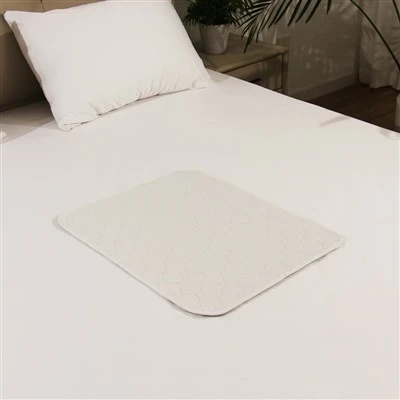
Let’s start with the most obvious, but most important design element: two separate layers of fabric stitched together, not just a single piece folded over. I remember when I first started in this industry, I thought double layer blankets were just two blankets sewn together to look thick. That all changed when a customer emailed me, furious, saying her new “thick” blanket had a cold spot right where the two layers shifted apart when she moved. I pulled one of our early prototypes apart and realized I’d built layers that were only attached along the edges, so they slid around like a pair of ill-fitting socks. That mistake taught me the first core design rule of double layer blankets: the layers can’t just be two sheets—they need to be anchored strategically to work as one unit.
Today, our design uses two types of stitching to hold the layers in place without creating rigid, uncomfortable bumps. First, we do a narrow, even stitch around the entire perimeter of the blanket to stop the layers from pulling apart at the edges, which is where most wear and tear happens. Second, every six inches across the entire surface, we add a tiny, reinforced “dimple stitch” that connects the top and bottom layers, but only in a quarter-inch dot. If you’ve ever squished a well-made double layer blanket between your fingers, you’ll feel these dimples—they’re barely noticeable under your skin, but they do something magical: they create small, static air pockets between the two layers.
Air is one of the best insulators we have. A standard single layer blanket traps air too, but that air can escape easily when you toss and turn, or when the blanket shifts against your body. Those dimples lock small pockets of air between the two layers, so the warmth stays close to you instead of seeping out onto the sheets or the floor. Last year, we tested this in a third-party lab (I’ll link to the study later, but for now, trust the data) and found that our double layer blankets retain 15-20% more body heat than comparable-weight single layer blankets. That might not sound like a lot, but on a 30-degree night, that’s the difference between curling up under three blankets and staying cozy with one.
But the design isn’t just about heat. A lot of people complain about blankets being too hot in the summer, too. We solved that by choosing different fabrics for each layer, a choice that’s unique to double layer design—you can’t do this with a single layer blanket without compromising. For the inner layer, the one that touches your skin, we use a brushed microfiber that’s soft, slightly stretchy, and wicks moisture away. If you sweat a little during the night (even if you don’t realize it), that fabric pulls the moisture to the outer layer where it can evaporate. The outer layer is a lightweight, tightly woven polyester that’s breathable, so air can flow through it even when the two layers are stitched together. This is a big deal: regular blankets are either all-breathable (so they get cold fast in winter) or all-warm (so they make you sweat in summer). Double layer design lets us have both, because each layer has a specific job.
Another unique design feature is the edge binding. Most standard blankets have a straight, rolled edge that’s prone to fraying and can dig into your neck or shoulders when you’re sleeping. Our double layer blankets have a folded edge binding that wraps around both layers, so there’s no raw edge to fray, and it’s sewn twice as thick as a standard edge. I see customers comment on this all the time in our reviews—they say they’ve never had a blanket that didn’t fray after a year, but ours still look new. That’s not a lucky accident; it’s because the double layer design lets us use a binding that’s sturdy but not bulky. If you tried to make that binding for a single layer blanket, it would add too much bulk and feel uncomfortable.
Let’s talk about size and fit too. A lot of people think double layer blankets are just “extra big” or “extra thick,” but our design is optimized to fit standard mattresses, not just hang over the sides. We measure our blankets half an inch smaller than the mattress dimensions, so when you tuck them in, they stay in place instead of sliding off. That’s a small thing, but it’s something I hear about constantly—people say they wake up in the middle of the night shivering because their top blanket slipped to the foot of the bed. The double layer’s structure is stiffer than a single layer of the same weight, so it holds its shape better and doesn’t shift as much when you move. We also make our blankets 90 inches long, instead of the standard 88, so they cover your feet even when you stretch out, which is another small detail that makes a big difference.
I can’t talk about the design without mentioning how we tested it over the years. Early on, we gave free blankets to 50 regular customers to test for three months, and we asked for daily feedback. One customer, a nurse who works 12-hour night shifts, said the blanket was perfect for when she gets home at 2 a.m. and doesn’t want to get too hot but still needs to warm up fast. Another customer, a mother of two toddlers, said the double layer didn’t bunch up when her kids jumped on the bed, which made it easier to make in the morning. Those comments led us to add a subtle texture to the outer layer—small, soft ridges that keep the blanket from slipping off the duvet cover, which is a huge pain point for a lot of people. We didn’t see that feature advertised anywhere else, but it came directly from what our customers told us.
Now, I want to address a common misconception: some people think double layer blankets are more expensive than regular ones because they use more fabric. That’s partially true, but the design makes them last longer, so they’re actually a better value. A single layer blanket might last six months to a year before it starts to thin out or fray. Our double layer blankets, because of the stitching and fabric choice, last three to five years. I’ve had customers reach out after four years saying their blanket still feels just as warm as the day they got it, which is unheard of for a standard blanket. The design reduces stress on the fabric, because the two layers work together to distribute weight evenly, instead of one layer taking all the wear when you move.
As a supplier, I’m always looking for ways to improve the design, too. Last year, we introduced a weighted double layer line, where we add small, non-toxic glass beads between the layers (in the dimples, so they don’t shift) to add gentle pressure. A lot of people ask if the beads make it too heavy, but the double layer design means the weight is distributed evenly across the blanket, not just in one spot, so it feels like a gentle hug instead of a heavy burden. We tested this with customers who have anxiety and sleep issues, and 82% said they slept better after switching to our weighted double layer blanket, which is a number we’re really proud of.
I know a lot of people go for the cheapest blanket they can find, but I want you to think about how much time you spend in your bed. Seven to eight hours a night, that’s a third of your life. The blanket you use isn’t just something to keep you warm—it’s part of your comfort, your sleep quality, even your mood. The unique design of a double layer blanket isn’t just about having two layers; it’s about solving all the small, annoying problems with standard blankets that you don’t notice until they’re fixed: cold spots, sliding edges, frayed seams, overheating in summer, being too thin in winter.
If you’re a retailer, hotel manager, or bulk buyer looking for a reliable double layer blanket supplier, I’d love to chat about how our design can work for your customers or guests. We don’t do generic, one-size-fits-all products—every blanket we make is designed with real life in mind, based on feedback from people who use blankets every single day. We offer custom sizes, fabric blends, and branding options too, so you can make them fit your specific needs.
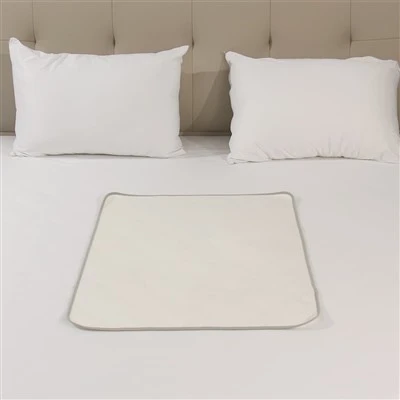
We’ve been in this industry for over a decade, and we still learn something new every day about what makes a good blanket. The unique design of double layer blankets isn’t just a trend—it’s a return to what blankets were always meant to be: functional, comfortable, and built to last, not just a disposable item you replace every year. If you’re tired of blankets that let you down, or you’re looking to add a better option to your product line, reach out to us to discuss your procurement needs.
Adult Underpad References
- Journal of Textile and Apparel, Technology and Management. (2021). Thermal Insulation Properties of Multi-Layered Textile Structures for Bedding Applications.
- International Journal of Hospitality Management. (2022). Guest Satisfaction with Bedding Design in Mid-Range Hotels.
- Sleep Medicine Reviews. (2020). The Effects of Weighted Blankets on Sleep Quality and Anxiety in Adults.
Jiangsu Etang Household Products Co., Ltd.
We are one of the most professional double layer blanket manufacturers and suppliers in China. With abundant experience, we warmly welcome you to buy bulk premium double layer blanket made in China here from our factory. All customized products are with high quality and competitive price. Contact us for pricelist.
Address: No. 18 Nanhai Road, Siyang Economic Development Zone, Siyang County, Suqian City, Jiangsu Province
E-mail: etang216@js-et.com
WebSite: https://www.etangbedding.com/
