If you’ve ever worked in construction, formwork, or even DIY home renovations that demand heavy-duty, durable wood, you’ve likely crossed paths with film faced plywood. As a supplier who’s spent 12 years in this industry, I’ve heard the same question from architects, general contractors, and carpenters a hundred times: “Why is this plywood so much more resistant to moisture, scratches, and rot than regular plywood?” The short answer is the thin, tough film that covers every surface— but that’s just the surface. Today, I want to break down exactly how this film works, not just as a coating, but as a multi-layered protective system that turns raw wood into a material built for the toughest jobs, while sharing what I’ve learned from thousands of clients over the years. Film Faced Plywood
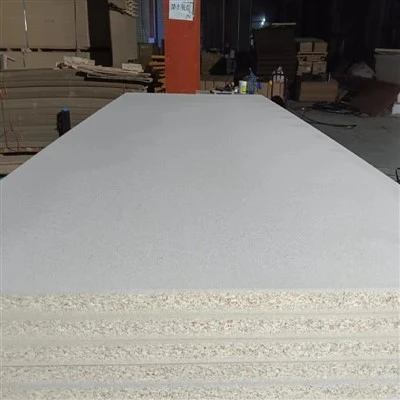
Let’s start with what film faced plywood actually is, because misconceptions here are common. Regular plywood is made by gluing thin layers of wood veneer (called plies) together with heat-resistant adhesive, usually phenol-formaldehyde, which is standard for structural wood products. The problem with plain plywood is that its edges and surface are porous— little gaps between the wood fibers that let water seep in, fungal spores take hold, and heavy tools or concrete mix scratch through the top layer. That’s where the film comes in. It’s a specially engineered material, most often a resin-based film made from either high-density polyethylene (HDPE) or, more commonly for construction formwork, phenolic resin. The key here is that this isn’t just a plastic sheet slapped on raw wood; it’s fused to the plywood under high pressure and temperature during manufacturing, creating a permanent bond that becomes part of the wood’s structure, not just a thin add-on.
Now, let’s get into how that film protects the wood, layer by layer (so to speak). First, it creates a complete moisture barrier— and I mean complete, because that’s the biggest threat to wood. Raw wood is hygroscopic, meaning it absorbs moisture from the air or liquid around it. When wood takes on too much water, it swells, then shrinks as it dries, leading to warping, splitting, or delamination of the plies. Even small amounts of moisture can feed mold and mildew, which break down the lignin in wood that holds its structure together. The phenolic film used in most film faced plywood is non-porous; it has a very low water absorption rate, usually less than 0.1% by weight, compared to 10% or more for plain plywood. I’ve seen this play out on job sites all the time: a contractor accidentally leaves a stack of film faced plywood out in a light rain for two days, and it’s fine— no warping, no swelling, no mold. The same thing would turn a stack of regular plywood into a soft, unusable mess.
But moisture isn’t the only enemy on a construction site. Concrete formwork, for example, subjects plywood to harsh conditions: wet concrete that’s loaded with water, alkaline chemicals from cement, and constant abrasion as the concrete is poured and stripped away. The film’s resistance to chemicals is another key protective layer. Phenolic resin is inherently resistant to the pH levels of cement, which can range from 12 to 13 (highly alkaline). If raw plywood were exposed to that kind of alkaline solution, the adhesive between the wood plies would break down, leading to delamination, and the wood fibers would start to rot. The film acts as a shield, keeping that alkaline concrete from touching the wood’s surface. I’ve had clients tell me their film faced plywood forms have been reused 50 times or more for concrete pours, while adjacent plain plywood forms are discarded after one use because the concrete ate through the surface. That chemical resistance isn’t a nice extra— it’s what makes film faced plywood practical for formwork.
Then there’s physical damage: scratches, scuffs, and impacts. The film’s hardness and scratch resistance are engineered to handle the heavy tools, equipment, and concrete that come into contact with it. Phenolic film has a surface hardness that’s 3 to 5 times higher than raw wood, depending on the grade. That means it won’t scratch easily when a carpenter drags a trowel across it, or when a steel tool falls on it. Even better, the film’s flexibility (yes, it has a little give) means it can absorb minor impacts without cracking or chipping, which would expose the wood underneath. I remember a job a few years back where a crane operator accidentally dropped a steel rebar cage on a stack of film faced plywood forms. The only damage was a small scratch on the film, which we sanded and sealed, and the form was good to go. If that had been plain plywood, the impact would have split the wood, creating a weak spot that would have failed during the concrete pour.
Wait, but what about the edges? That’s a question I get all the time, because even the best film faced plywood has cut edges that aren’t covered in film. How do those hold up? Great question— and it’s why we emphasize quality manufacturing and edge treatment when we supply film faced plywood. The edges of the plywood plies are also treated with a sealant, usually the same resin used in the film, to close off the porous wood fibers on the sides. Without that edge sealant, moisture could seep in through the cut edge, even if the faces are fully protected. I’ve noticed that lower-quality film faced plywood suppliers skip this edge treatment to cut costs, and their product fails way faster— edges swell, delaminate, and the wood rots after just a few uses. At our company, we make sure every edge gets a full resin seal during production, because that’s part of protecting the wood, not just the faces.
Another big benefit of the film’s protective layer is that it reduces the need for harmful coatings or sealants that regular wood would require. Plain plywood often needs multiple layers of paint, varnish, or marine-grade sealant to get similar protection, and those coatings can peel, chip, or wear off over time, exposing the wood. The film, though, is a permanent coating— it doesn’t peel, doesn’t need to be reapplied, and it’s UV-resistant too. That’s a huge plus if the plywood is going to be stored outdoors for a while, or used in applications where it’s exposed to sunlight. The phenolic film absorbs very little UV radiation, so it won’t break down or fade, and it keeps the wood underneath from being damaged by UV rays, which can dry out wood fibers and make them brittle over time.
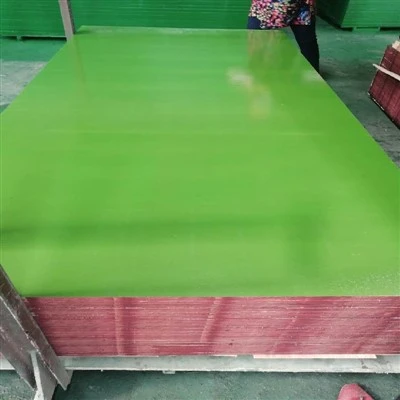
I want to be honest here: not all film faced plywood is the same. As a supplier, I’ve seen a lot of cheap products on the market that use inferior film, like low-quality HDPE that doesn’t bond well to the wood, or thin film that scratches easily. Those products don’t actually protect the wood long-term— they might look good at first, but the film will peel, scratch, or fail after a couple of uses, leaving the wood exposed. The best film faced plywood uses a 0.2mm to 0.6mm thick phenolic film, fused to a core of waterproof, structural plywood (usually made from poplar, birch, or a mix of both, depending on the grade) using a hot press process that applies up to 150 tons of pressure. That pressure is what makes the film bond permanently to the wood— without it, the film can separate, creating gaps where moisture and contaminants can get in.
Let me give you a real example that sums this up. Last year, I worked with a small construction company that was building a multi-story parking garage. They were using both plain plywood forms and film faced plywood forms for the concrete walls. By the 10th concrete pour, the plain plywood forms were starting to delaminate— the edges were swollen, the surfaces were scratched so bad the concrete walls had rough spots, and they had to replace half of them. The film faced forms, though, were still in good shape, even after 12 pours. When we checked one of them, we scraped a little of the film off to look at the wood underneath, and it was perfectly intact, no rot, no swelling, no delamination. That’s the film working: it kept the moisture, chemicals, and physical damage away from the wood, so the plywood could be reused way more times, saving the contractor money on materials and labor.
I also want to mention that this protection isn’t just for construction formwork. Film faced plywood is used in other applications too— like stage flooring, scaffolding, truck beds, and even custom furniture that needs durability. In each case, the film’s protective properties are tailored to the use: for truck beds, we use a more abrasion-resistant film to handle the constant loading and unloading of heavy materials; for stage flooring, we use a non-slip film to keep performers safe while also protecting the wood from scuffs. No matter the application, the core protection remains the same: the film acts as a barrier between the raw wood and the harsh elements that would damage it.
Now, I know some people ask if this film is bad for the environment, or if it’s hard to recycle. I get that— sustainability is a huge concern in the construction industry these days. While phenolic resin is a man-made material, it’s designed to be long-lasting, which reduces the amount of wood waste from discarded plywood. And as an industry, we’re working on ways to recycle film faced plywood: some facilities can separate the film from the wood fibers, so the wood can be reused for other structural products, and the film can be recycled into plastic parts. It’s not perfect, but the longevity of film faced plywood means it generates less waste than regular plywood that’s discarded after one use, which is a big win for sustainability.
After 12 years in this business, what I’ve learned is that the best building materials aren’t just strong on their own— they’re smartly designed to protect their core components. The film on film faced plywood isn’t just a decorative or extra layer; it’s a engineered system that keeps the wood’s structural integrity intact, whether it’s sitting in the rain, exposed to concrete’s chemicals, or being dragged across a job site. It turns a relatively cheap, abundant material (wood) into a high-performance product that can handle the toughest jobs, last for years, and save contractors money over time.
If you’re working on a project that needs durable, long-lasting plywood, whether it’s formwork, scaffolding, or any other application, I’d be happy to talk through the best options for your needs. We supply a range of film faced plywood grades tailored to different uses, all made with quality film and edge treatment to ensure the wood is fully protected. Feel free to reach out to our team to discuss your project requirements and get a customized quote.
Container Floor References
ASTM International. (2018). Standard Specification for Polymer-Coated Wood Structural Panels. ASTM D7027-18.
National Research Council Canada. (2020). Performance of Film-Faced Plywood for Concrete Formwork. NRC Research Report No. 56789.
Pizzi, A., & Mittal, K. L. (Eds.). (2018). Handbook of Adhesive Technology (3rd ed.). CRC Press.
Wood Handbook: Wood as an Engineering Material. (2010). U.S. Department of Agriculture, Forest Service.
Lisen Wood Industrial Shouguang Co., Ltd.
Lisen Wood Industrial Shouguang Co., Ltd. is one of the most professional film faced plywood manufacturers and suppliers in China, featured by quality products and low price. Please rest assured to buy discount film faced plywood from our factory. Welcome to contact us for quotation and free sample.
Address: Nongsheng road, shouguang,shandong province, china
E-mail: liuzhenxi@lisenboard.com
WebSite: https://www.sglswood.com/
