In the world of optical frame manufacturing, the injection moulding process is a cornerstone of production. As a supplier of Optical Frame Injection Moulding Machines, I’ve witnessed firsthand the transformative impact that sensors have on these machines. Sensors are the unsung heroes in the complex ecosystem of an injection moulding machine, contributing to precision, efficiency, and quality control at every stage of the manufacturing process. Optical Frame Injection Moulding Machine

Core Component Monitoring
To understand the significance of sensors in an Optical Frame Injection Moulding Machine, it’s essential to delve into the fundamental aspects of the injection moulding process. The process begins with the melting of plastic pellets in a heated barrel. A screw inside the barrel rotates and moves forward, pushing the molten plastic into a mould cavity. Once the plastic cools and solidifies, the mould opens, and the finished optical frame is ejected.
Throughout this seemingly straightforward process, sensors play a vital role by monitoring several core components and their parameters. For example, temperature sensors are installed in the heating bands of the barrel. These sensors continuously measure the temperature of the plastic material as it melts. Maintaining the correct temperature is crucial because if the plastic is too cold, it may not flow properly into the mould, leading to incomplete filling and defects in the final product. On the other hand, if the plastic is too hot, it can degrade, causing discoloration, brittleness, and other quality issues. By providing real – time temperature data, the sensors allow the machine’s control system to adjust the heating elements as needed, ensuring that the plastic is at the optimal temperature for injection.
Pressure sensors are another critical type of sensor in the injection moulding process. They are placed at various points, such as in the barrel, the nozzle, and the mould cavity. During the injection phase, the pressure sensor in the barrel measures the force required to push the molten plastic into the mould. This information is used to control the speed and pressure of the screw, ensuring that the plastic is injected with the right amount of force. In the mould cavity, pressure sensors monitor the pressure distribution during filling and packing stages. Uneven pressure can lead to warping, sink marks, or other defects in the optical frame. By detecting pressure irregularities, the sensors enable the machine to make adjustments, such as changing the injection speed or pressure, to achieve a uniform pressure distribution and a high – quality end product.
Position and Speed Monitoring
Sensors also play a crucial role in monitoring the position and speed of moving parts in the injection moulding machine. For instance, linear position sensors are used to track the movement of the screw and the clamping unit. The position of the screw determines the amount of plastic that is being fed into the mould. By accurately measuring the screw’s position, the sensor allows the control system to precisely control the shot size, which is the amount of plastic injected into the mould for each cycle. This is essential for maintaining consistency in the size and weight of the optical frames produced.
In addition, speed sensors are used to monitor the rotation speed of the screw and the opening and closing speed of the mould. The speed of the screw affects the melting and mixing of the plastic material, as well as the injection rate. If the screw rotates too slowly, the plastic may not melt evenly, while if it rotates too fast, it can cause excessive shear stress and overheating. The opening and closing speed of the mould also impacts the production cycle time and the quality of the final product. By providing real – time speed data, the sensors enable the machine to optimize these parameters for maximum efficiency and product quality.
Quality Control and Defect Detection
In the context of optical frame production, quality control is of utmost importance. Sensors are key to ensuring that each optical frame meets the required standards. In – mould sensors are used to detect defects during the injection moulding process. For example, ultrasonic sensors can be used to detect air bubbles in the molten plastic as it fills the mould cavity. Air bubbles can weaken the structure of the optical frame and cause cosmetic defects. By detecting these bubbles early, the machine can take corrective actions, such as adjusting the injection parameters or venting the mould, to eliminate the problem.
Vision sensors are also widely used in the quality control process. These sensors are installed near the ejection point of the mould and are used to inspect the finished optical frames for defects such as scratches, cracks, or dimensional inaccuracies. The vision system captures images of the optical frames and uses advanced image processing algorithms to analyze the images. If a defect is detected, the frame can be automatically rejected, preventing it from entering the next stage of the production process. This not only improves the overall quality of the products but also reduces waste and rework, saving time and costs for the manufacturer.
Process Optimization and Efficiency
In addition to quality control, sensors contribute significantly to the optimization of the injection moulding process. Through continuous monitoring of various parameters, sensors collect a large amount of data. This data can be analyzed to identify trends and patterns, allowing manufacturers to make informed decisions about process improvements.
For example, by analyzing the temperature and pressure data over multiple production cycles, manufacturers can identify the optimal operating conditions for the injection moulding machine. They can adjust the heating profiles, injection speeds, and pressure settings to achieve the best balance between productivity and product quality. Moreover, sensors can help in predicting and preventing machine breakdowns. By monitoring the performance of critical components such as motors, pumps, and valves, sensors can detect early signs of wear and tear or malfunction. This allows for timely maintenance and replacement of parts, reducing the risk of unplanned downtime and increasing the overall efficiency of the production process.
Energy Efficiency
Energy efficiency is another area where sensors play a crucial role. In an injection moulding machine, energy is consumed primarily by the heating elements, the motors that drive the screw and the clamping unit, and the cooling system. Sensors can help in reducing energy consumption by providing real – time data on the energy usage of these components.
For example, temperature sensors can be used to optimize the heating process. The sensors can detect when the plastic material has reached the desired temperature and then signal the heating elements to reduce power consumption. Similarly, power sensors can monitor the energy consumption of the motors and adjust their speed and torque according to the actual load requirements. By optimizing the energy usage of these components, sensors can significantly reduce the overall energy consumption of the injection moulding machine, leading to cost savings for the manufacturer and a more environmentally friendly production process.
Conclusion
In conclusion, sensors are indispensable components of an Optical Frame Injection Moulding Machine. They contribute to every aspect of the injection moulding process, from core component monitoring and quality control to process optimization and energy efficiency. As a supplier of these machines, I understand the importance of high – quality sensors in ensuring the performance and reliability of our products.
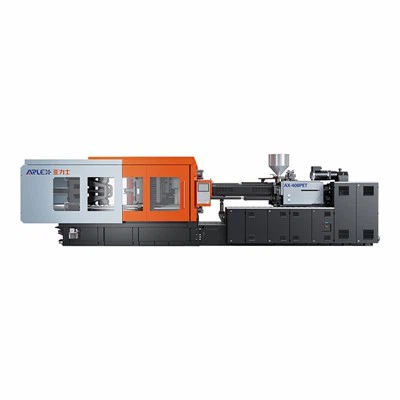
If you are in the optical frame manufacturing industry and are looking for an injection moulding machine that offers precision, efficiency, and superior quality control, our machines are the ideal choice. Our state – of – the – art sensors and advanced control systems are designed to meet the rigorous demands of the optical frame production process. Contact us today to start a discussion about your specific requirements and how our solutions can enhance your manufacturing operations.
Plastic Crusher References
- Campbell, F. C. (2012). Injection Molding Handbook. William Andrew.
- Throne, J. L. (1996). Plastics Process Engineering. Marcel Dekker.
- Rosato, D. V., Rosato, D. V. Jr., & Schut, C. A. (2000). Injection Molding Handbook. Hanser Gardner Publications.
Ningbo Yalishi (Arlex) Plastic Machinery Co., Ltd.
Address: No.63, Huangsu East Road, Industrial Zone, Dongqian Lake Tourist Resort, Ningbo, Zhejiang Province
E-mail: leo@arlex.cn
WebSite: https://www.arleximm.com/
