Antimicrobial properties are a crucial consideration when it comes to dance flooring. As a dance flooring supplier, I’ve witnessed firsthand the importance of these properties in maintaining a safe, healthy, and hygienic environment for dancers. In this blog post, I’ll delve into the antimicrobial aspects of dance flooring, exploring what they are, why they matter, and how they can benefit your dance studio or performance space. Dance Flooring
Understanding Antimicrobial Properties
Antimicrobial refers to the ability of a material to inhibit the growth of microorganisms such as bacteria, fungi, and viruses. In the context of dance flooring, these properties are designed to prevent the accumulation and proliferation of harmful microbes on the surface of the floor. This is achieved through the use of various technologies and additives that are integrated into the flooring material during the manufacturing process.
One common approach is the use of antimicrobial agents, which are substances that can kill or inhibit the growth of microorganisms. These agents can be incorporated into the flooring material in different ways, such as by impregnating the top layer of the floor with a microbe – repelling compound or by applying a coating that contains antimicrobial properties.
Another aspect of antimicrobial properties in dance flooring is the material’s overall design and construction. For example, some dance floors are engineered with a smooth, non – porous surface that makes it difficult for microbes to adhere and thrive. This type of surface is easier to clean and disinfect, further reducing the risk of microbial contamination.
Why Antimicrobial Properties Matter in Dance Flooring
There are several reasons why antimicrobial properties are essential in dance flooring, especially in a professional or public dance environment.
Health and Safety
Dancers spend a significant amount of time on the floor, often in close contact with it. Microorganisms on the floor can cause a variety of health problems, including skin infections, respiratory issues, and foot problems. By having antimicrobial dance flooring, the risk of these infections can be significantly reduced, protecting the health and well – being of dancers.
Hygiene Maintenance
Dance studios are high – traffic areas where multiple people use the same space. Sweat, dirt, and other debris can accumulate on the floor, creating an ideal breeding ground for microbes. Antimicrobial flooring helps to keep the floor clean and hygienic, minimizing the chances of unpleasant odors and visible signs of microbial growth.
Equipment and Facility Longevity
Microbial growth can also damage dance flooring and other equipment over time. Bacteria and fungi can break down the materials in the floor, causing it to deteriorate more quickly. By preventing microbial growth, antimicrobial flooring can extend the lifespan of the floor and reduce the need for frequent replacements.
Types of Antimicrobial Dance Flooring
There are several types of dance flooring that offer antimicrobial properties, each with its own unique features and benefits.
Vinyl Dance Flooring
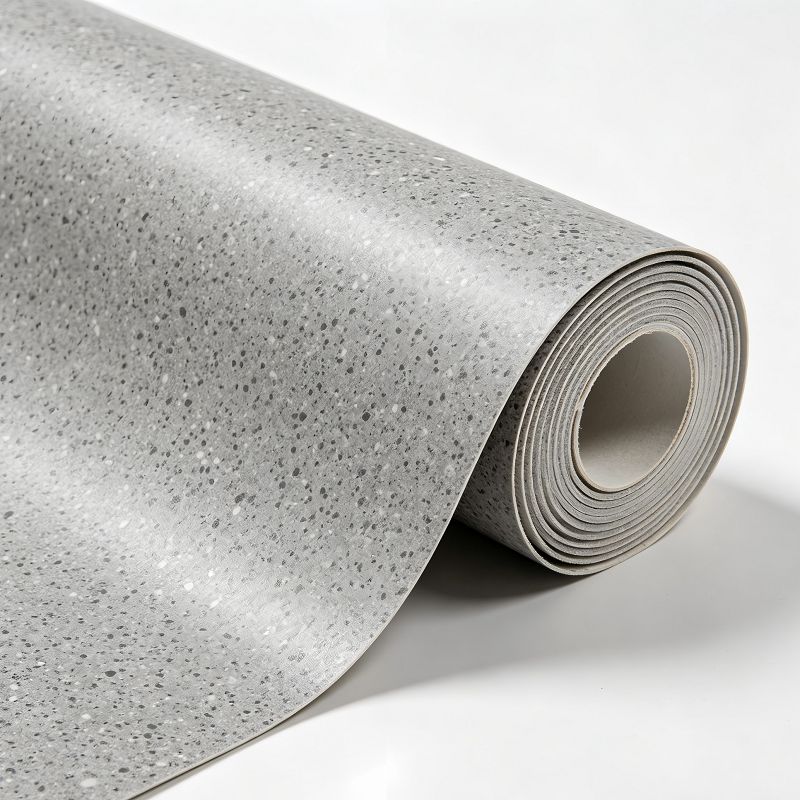
Vinyl is a popular choice for dance floors due to its durability, affordability, and ease of maintenance. Many vinyl dance floors are infused with antimicrobial agents during the manufacturing process. These agents are designed to provide long – lasting protection against a wide range of microorganisms. Vinyl floors are also available in a variety of colors and styles, making them suitable for different types of dance studios and performance spaces.
Rubber Dance Flooring
Rubber dance flooring is known for its shock – absorbing properties, which are beneficial for dancers’ joints. Some rubber floors are treated with antimicrobial coatings or additives to prevent the growth of bacteria and fungi. Rubber floors are also resistant to moisture, making them a good choice for areas where spills are common.
Laminate Dance Flooring
Laminate flooring can be a cost – effective option for dance studios. Some laminate dance floors have antibacterial properties built into the top layer. These floors are easy to clean and maintain, and they can mimic the look of other materials such as hardwood or tile.
Testing and Certification of Antimicrobial Dance Flooring
When purchasing dance flooring with antimicrobial properties, it’s important to look for products that have been tested and certified by reputable organizations. Independent testing ensures that the flooring actually meets the claimed antimicrobial standards.
Certifications such as ISO 22196 (which measures the antibacterial activity of plastic and other non – porous surfaces) can provide assurance that the flooring has been proven to inhibit the growth of bacteria. Additionally, some products may have certifications related to specific health and safety standards, indicating that they are suitable for use in public and professional dance environments.
Maintenance Tips for Antimicrobial Dance Flooring
While antimicrobial dance flooring offers inherent protection against microbes, proper maintenance is still crucial to ensure its effectiveness.
Regular Cleaning
Sweep or vacuum the floor regularly to remove dirt, dust, and debris. This helps to prevent the buildup of organic matter that can feed microorganisms. For a more thorough clean, use a mild cleaning solution that is compatible with the flooring material. Avoid using abrasive cleaners or scrubbing pads, as these can damage the antimicrobial layer of the floor.
Disinfection
Periodically disinfect the dance floor using a disinfectant that is approved for use on the specific type of flooring. Follow the manufacturer’s instructions for the proper dilution and application of the disinfectant. This will help to eliminate any remaining microbes and maintain a high level of hygiene.
Spill Management
Clean up spills immediately to prevent the growth of mold and bacteria. Use a clean, dry cloth to blot the spill, and then follow up with a proper cleaning and disinfection procedure if necessary.
The Benefits for Dance Studios and Performers
Antimicrobial dance flooring offers significant benefits for both dance studios and performers.
For dance studios, it can enhance the reputation of the facility by providing a clean and safe environment for students and professionals. This can attract more dancers and increase the overall success of the studio. In addition, it can reduce the cost of maintenance and replacement in the long run, as the floor is less likely to be damaged by microbial growth.
For performers, antimicrobial dance flooring can provide peace of mind. Knowing that the floor they are dancing on is protected against harmful microorganisms can allow them to focus on their performance without worrying about potential health risks.
Conclusion
Antimicrobial properties are an important feature of dance flooring. As a dance flooring supplier, I understand the value of providing high – quality, antimicrobial – protected floors to our customers. Whether you’re running a large dance studio or a small rehearsal space, investing in dance flooring with antimicrobial properties is a wise decision that can benefit both your facility and the dancers who use it.
If you’re interested in learning more about our range of dance flooring with antimicrobial properties or have any questions about choosing the right floor for your needs, I encourage you to contact us for a procurement discussion. We’re here to help you make the best decision for your dance environment.
ESD Flooring References
- ASTM International standards related to flooring materials and microbiological testing
- ISO 22196 for antibacterial activity of plastics and non – porous surfaces
- Research papers on the impact of microbial growth on sports and dance facilities
Qingdao Xinkailin Environmental Protection Materials Co., Ltd.
As one of the most professional dance flooring manufacturers and suppliers in China, we’re featured by quality products and good price. Please rest assured to buy premium dance flooring for sale here from our factory. Also, custom service is available.
Address: Room 618, Hedaxinduhui, No. 196 Tailiu Road, Shibei District, Qingdao City
E-mail: laura@xklflooring.com
WebSite: https://www.xklflooring.com/
