Hey there! I’m a supplier of PUR hot melt adhesive, and I often get asked, "What is the thermal conductivity of PUR hot melt adhesive?" Well, let’s dive right into it and break it down in a way that’s easy to understand. PUR Hot Melt Adhesive

First off, let’s talk a bit about what PUR hot melt adhesive is. PUR stands for Polyurethane Reactive. It’s a type of adhesive that’s pretty amazing. Unlike some other adhesives, PUR hot melt adhesive can form strong bonds by reacting with moisture in the air or from the substrate it’s applied to. This makes it super versatile and useful in a whole bunch of applications, like in the furniture industry for bonding wood components, in the automotive sector for attaching trim pieces, and even in the packaging industry for sealing boxes.
Now, onto thermal conductivity. Thermal conductivity is basically a measure of how well a material can conduct heat. If a material has high thermal conductivity, it means heat can pass through it easily. On the other hand, if it has low thermal conductivity, it acts as an insulator, and heat has a harder time getting through.
The thermal conductivity of PUR hot melt adhesive can vary depending on a few factors. One of the main factors is the formulation of the adhesive. Different manufacturers might use different raw materials and additives in their PUR hot melt adhesives, which can affect how well the adhesive conducts heat. For example, if an adhesive has a lot of fillers that are good conductors of heat, it might have a higher thermal conductivity compared to one with fillers that are insulators.
Typically, the thermal conductivity of PUR hot melt adhesive is relatively low. This is actually a good thing in many applications. In the electronics industry, for instance, when you’re using PUR hot melt adhesive to bond components, you don’t want heat from the components to spread too quickly through the adhesive. A low thermal conductivity helps in keeping the heat localized and can prevent overheating of nearby components.
Let me give you an example of a real – world scenario. Say you’re working on a project to assemble a smartphone. You need to bond some of the internal components together, like the battery or the circuit board. Using a PUR hot melt adhesive with low thermal conductivity means that the heat generated by the battery won’t easily transfer to other parts of the phone, reducing the risk of damage to sensitive components and improving the overall performance and lifespan of the device.
Another factor that can influence the thermal conductivity of PUR hot melt adhesive is the curing process. When the PUR hot melt adhesive cures, the chemical reactions that take place can change its internal structure. As the adhesive goes from a liquid state to a solid, the way the molecules are arranged can affect how heat moves through it. If the curing is done under different conditions, like different temperatures or humidity levels, it can result in different thermal conductivity values.
Monitoring the thermal conductivity of PUR hot melt adhesive is also important for quality control. As a supplier, I always make sure that the adhesive we provide meets the required thermal conductivity specifications. We use specialized equipment to test the thermal conductivity of our products at different stages of production. This way, we can ensure that our customers get a consistent and reliable product.
When it comes to comparing the thermal conductivity of PUR hot melt adhesive with other types of adhesives, it has its own advantages. For example, compared to some water – based adhesives, PUR hot melt adhesive generally has better resistance to heat and can maintain its bonding strength at higher temperatures. And its low thermal conductivity can be beneficial in applications where thermal insulation is needed.
In summary, the thermal conductivity of PUR hot melt adhesive is an important property that can have a big impact on its performance in various applications. Usually, it’s relatively low, which makes it great for applications where you want to control the flow of heat. Whether you’re in the electronics, automotive, furniture, or packaging industry, understanding the thermal conductivity of the adhesive you’re using is crucial for getting the best results.
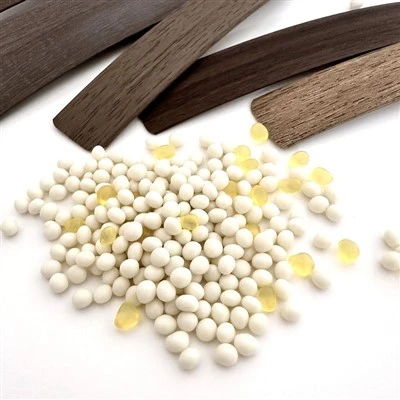
If you’re in need of high – quality PUR hot melt adhesive for your project, don’t hesitate to reach out. We’ve got a wide range of products with different properties, including thermal conductivity, to meet your specific requirements. Let’s start a conversation and see how we can work together to make your project a success.
PVC Edge Banding References:
- Professional Publications on Adhesive Technologies
- Industry Reports on PUR Adhesive Properties
Linyi Meador New Materials Co., Ltd.
As one of the most experienced pur hot melt adhesive manufacturers and suppliers in China, we offer a wide range of products with superior quality. We warmly welcome you to buy bulk premium pur hot melt adhesive from our factory. Good service and punctual delivery are available.
Address: Meidu New Materials, No. 66 Zhenxing Road, Tanyi Town, Feixian County, Linyi City, Shandong Province
E-mail: meador@zohomail.cn
WebSite: https://www.meadorfactory.com/
