Hey there! I’m a supplier of hydraulic clamps, and I know firsthand how crucial it is to pick the right one for your job. Whether you’re in the manufacturing world, doing some heavy machinery work, or involved in any industry that relies on secure clamping, choosing the right hydraulic clamp can make or break your project. In this blog post, I’ll share some tips and things to consider when you’re on the hunt for the perfect hydraulic clamp. Hydraulic Clamp
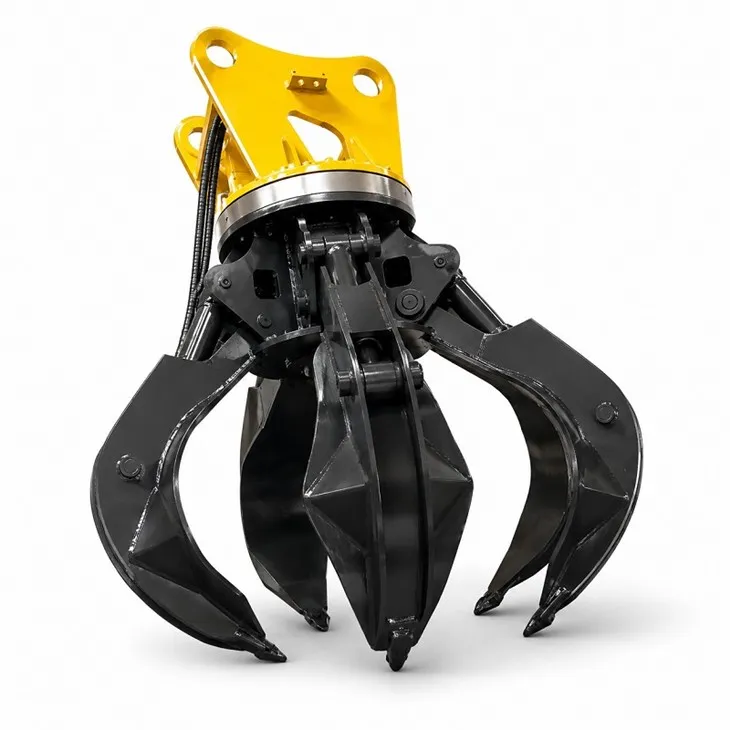
Understand Your Application
First things first, you need to have a clear understanding of what you’re going to use the hydraulic clamp for. Different applications require different types of clamps. For example, if you’re working in a machining center, you’ll need a clamp that can hold your workpiece firmly in place during cutting and milling operations. On the other hand, if you’re in the automotive industry, you might need a clamp for assembly work, where precision and quick release are key.
Think about the size and shape of the workpiece you’ll be clamping. Is it a small, delicate part, or a large, heavy piece of metal? The size and shape will determine the type of clamp you need. For small parts, you might want a compact clamp with a high clamping force. For larger parts, you’ll need a clamp with a wider opening and a stronger clamping force.
Also, consider the environment in which you’ll be using the clamp. Is it a clean, dry environment, or is it wet, dirty, or exposed to chemicals? If it’s a harsh environment, you’ll need a clamp that’s made from corrosion-resistant materials and has a protective coating.
Consider the Clamping Force
The clamping force is one of the most important factors to consider when choosing a hydraulic clamp. The clamping force is the amount of pressure the clamp exerts on the workpiece to hold it in place. You need to make sure that the clamping force is strong enough to prevent the workpiece from moving during the operation, but not so strong that it damages the workpiece.
To determine the right clamping force, you need to consider the type of operation you’ll be performing. For example, if you’re doing a light machining operation, you might only need a clamping force of a few hundred pounds. But if you’re doing heavy-duty machining, such as milling or drilling, you’ll need a clamping force of several thousand pounds.
You also need to consider the coefficient of friction between the clamp and the workpiece. The coefficient of friction is a measure of how well the clamp will grip the workpiece. If the coefficient of friction is low, you’ll need a higher clamping force to hold the workpiece in place.
Choose the Right Type of Hydraulic Clamp
There are several types of hydraulic clamps available on the market, each with its own advantages and disadvantages. Here are some of the most common types:
- Piston Clamps: These are the most basic type of hydraulic clamps. They use a piston to apply the clamping force. Piston clamps are simple, reliable, and relatively inexpensive. They’re a good choice for small to medium-sized workpieces and light to medium-duty operations.
- Diaphragm Clamps: Diaphragm clamps use a flexible diaphragm to apply the clamping force. They’re more precise than piston clamps and can be used for applications where a high degree of repeatability is required. Diaphragm clamps are also good for clamping thin or delicate workpieces.
- Cam Clamps: Cam clamps use a cam mechanism to apply the clamping force. They’re fast and easy to use, and they can be adjusted to provide different levels of clamping force. Cam clamps are a good choice for applications where quick clamping and unclamping are required.
- Swivel Clamps: Swivel clamps can be rotated to different angles, which makes them very versatile. They’re a good choice for applications where the workpiece needs to be clamped at different angles or orientations.
Check the Quality and Durability
When you’re investing in a hydraulic clamp, you want to make sure that it’s of high quality and will last for a long time. Look for clamps that are made from high-quality materials, such as steel or aluminum. The materials should be strong, durable, and resistant to wear and tear.
Check the manufacturing process of the clamp. A well-made clamp will have smooth surfaces, precise machining, and tight tolerances. Look for clamps that are built to strict industry standards and have been tested for quality and performance.
Also, consider the warranty and after-sales service offered by the manufacturer. A good warranty will give you peace of mind knowing that you’re protected in case something goes wrong with the clamp. And a reliable after-sales service will ensure that you can get help and support if you have any problems with the clamp.
Look for Additional Features
Some hydraulic clamps come with additional features that can make them more useful and convenient to use. Here are some features to look for:
- Built-in Pressure Gauges: A built-in pressure gauge allows you to monitor the clamping force while you’re using the clamp. This can help you ensure that the clamping force is consistent and within the recommended range.
- Quick-Release Mechanisms: Quick-release mechanisms allow you to quickly and easily release the clamping force. This can save you a lot of time, especially if you need to clamp and unclamp the workpiece frequently.
- Adjustable Clamping Arms: Adjustable clamping arms allow you to adjust the position of the clamping jaws to fit different sizes and shapes of workpieces. This can make the clamp more versatile and useful.
- Mounting Options: Look for clamps that come with a variety of mounting options. This will allow you to mount the clamp in different positions and orientations to suit your specific application.
Compare Prices and Brands
Before you make a decision, it’s a good idea to compare prices and brands. Don’t just go for the cheapest clamp on the market, as it might not be of good quality. On the other hand, don’t assume that the most expensive clamp is the best one. Look for a clamp that offers a good balance of quality, performance, and price.
Read reviews and testimonials from other customers. This can give you an idea of the reliability and performance of different brands and models of hydraulic clamps. You can also ask for recommendations from colleagues, friends, or industry experts.
Conclusion
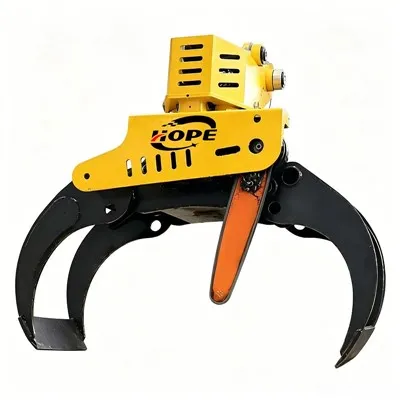
Choosing the right hydraulic clamp is an important decision that can have a big impact on the success of your project. By understanding your application, considering the clamping force, choosing the right type of clamp, checking the quality and durability, looking for additional features, and comparing prices and brands, you can make an informed decision and find the perfect hydraulic clamp for your needs.
Hydraulic Clamp If you’re in the market for a hydraulic clamp, I’d love to help you find the right one. As a supplier, I have a wide range of hydraulic clamps to choose from, and I can provide you with expert advice and support. So, don’t hesitate to get in touch with me to discuss your requirements and start the procurement process.
References
- "Hydraulic Clamping Systems: Principles and Applications" by John Doe
- "The Handbook of Machining Operations" by Jane Smith
Hope Precision Machinery Co., Ltd.
As one of the most professional hydraulic clamp manufacturers and suppliers in China, we also support customized service. Please feel free to buy high quality hydraulic clamp for sale here from our factory. For more information, contact us now.
Address: No.8 Shenzhen Street, Development Zone, Yantai,Shandong ,China
E-mail: lulu@hope-breaker.com
WebSite: https://www.hopeequip.com/
