Hey there! I’m a supplier of stainless steel, and I often get asked how stainless steel stacks up against carbon steel in terms of properties. Well, let’s dive right in and break it down. Stainless Steel
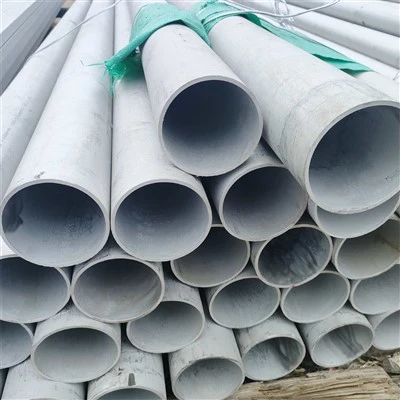
1. Composition
First off, let’s talk about what these steels are made of. Carbon steel is, as the name suggests, mainly composed of iron and carbon. The carbon content can vary, but typically it’s between 0.05% and 2.1% by weight. This carbon gives carbon steel its strength and hardness.
On the other hand, stainless steel is also based on iron, but it has a significant amount of chromium (usually at least 10.5%) and sometimes other elements like nickel, molybdenum, and titanium. The chromium in stainless steel forms a thin, invisible layer of chromium oxide on the surface. This layer is what gives stainless steel its corrosion – resistant properties.
2. Corrosion Resistance
One of the most significant differences between stainless steel and carbon steel is their corrosion resistance. Carbon steel is prone to rusting. When carbon steel is exposed to moisture and oxygen, a chemical reaction occurs, and iron oxide (rust) forms on the surface. Rust not only looks bad but can also weaken the steel over time.
Stainless steel, however, is a champ when it comes to corrosion resistance. That chromium oxide layer I mentioned earlier acts as a protective barrier. It prevents oxygen and moisture from reaching the underlying steel. So, even in harsh environments like coastal areas or industrial settings with high humidity and chemicals, stainless steel can hold up much better than carbon steel.
For example, if you’re using steel for outdoor structures or in a food processing plant where there’s a lot of water and acidic substances, stainless steel is the clear choice. You won’t have to worry about constant maintenance to prevent rusting.
3. Strength and Hardness
Carbon steel is known for its high strength and hardness. The carbon content gives it the ability to withstand heavy loads and resist deformation. It’s commonly used in applications where strength is crucial, such as in construction, automotive parts, and machinery.
Stainless steel also has good strength, but its strength can vary depending on the specific grade. Some stainless steel grades are just as strong as carbon steel, while others may be a bit less strong. However, stainless steel often has better ductility, which means it can be bent and shaped more easily without breaking.
For instance, in the construction of bridges, carbon steel might be used for the main structural components because of its high strength. But for decorative elements or parts that need to be formed into complex shapes, stainless steel could be a better option.
4. Cost
Cost is always a factor when choosing between materials. Carbon steel is generally cheaper than stainless steel. The production process of carbon steel is simpler, and the raw materials are more abundant. So, if you’re on a tight budget and corrosion resistance isn’t a major concern, carbon steel might be the way to go.
Stainless steel, on the other hand, is more expensive. The additional elements like chromium and nickel increase the cost of production. But when you consider the long – term benefits, such as reduced maintenance and longer lifespan due to its corrosion resistance, the higher upfront cost can be worth it.
5. Weldability
Weldability is important when it comes to fabricating steel products. Carbon steel is relatively easy to weld. It has good heat conductivity, and most welding methods can be used with it. However, when welding carbon steel, there’s a risk of the welded area becoming brittle if not done properly.
Stainless steel can also be welded, but it requires more skill and specific welding techniques. The presence of chromium and other alloying elements can affect the welding process. Special electrodes and shielding gases may be needed to ensure a strong and corrosion – resistant weld.
6. Aesthetics
Aesthetics play a role in many applications. Carbon steel has a dull, grayish appearance, and once it starts to rust, it can look quite unsightly.
Stainless steel, on the other hand, has a shiny, modern look. It can be polished to a mirror finish, which makes it popular for architectural applications, kitchen appliances, and decorative items. The clean and sleek appearance of stainless steel can enhance the overall look of a product or structure.
7. Heat Resistance
Carbon steel can handle high temperatures to a certain extent, but it starts to lose its strength at relatively high temperatures. For example, in a furnace or a high – heat industrial process, carbon steel may deform or even melt if the temperature gets too high.
Stainless steel, especially some high – alloy grades, has excellent heat resistance. It can maintain its strength and integrity at very high temperatures. This makes it suitable for applications like exhaust systems in cars, industrial furnaces, and heat exchangers.
8. Magnetic Properties
Carbon steel is magnetic. This can be an advantage in some applications where magnetic properties are required, such as in electric motors or magnetic separation equipment.
Stainless steel can be either magnetic or non – magnetic, depending on its composition. Ferritic and martensitic stainless steels are magnetic, while austenitic stainless steels are non – magnetic. So, if you need a non – magnetic material, austenitic stainless steel would be a good choice.
In conclusion, both stainless steel and carbon steel have their own unique properties and advantages. If you need a material that’s strong, inexpensive, and you don’t mind a bit of rust, carbon steel might be the right option. But if you’re looking for a material with excellent corrosion resistance, good aesthetics, and high heat resistance, stainless steel is the way to go.
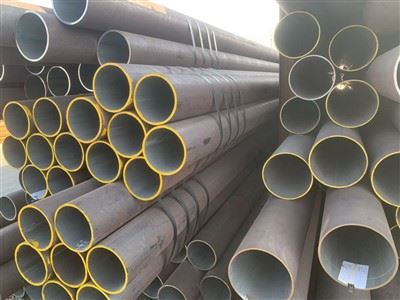
As a stainless steel supplier, I can offer you a wide range of high – quality stainless steel products. Whether you need it for construction, manufacturing, or any other application, I’m here to help. If you’re interested in learning more or want to start a procurement discussion, don’t hesitate to reach out. I’m happy to answer any questions you may have and work with you to find the perfect stainless steel solution for your needs.
Stainless Steel Pipe References:
- ASM Handbook Volume 1: Properties and Selection: Irons, Steels, and High – Performance Alloys
- Metals Handbook Desk Edition, 3rd Edition
Shandong Henry Group Co., Ltd.
As one of the most professional stainless steel manufacturers and suppliers in China since 1995, we’re featured by quality products and good price. Please rest assured to buy premium stainless steel for sale here from our factory. Contact us for more details.
Address: No. 2688 Meili Road, Meilihu Office, Huaiyin District, Jinan City
E-mail: sales01@henry-china.com
WebSite: https://www.henry-steelpipe.com/
